Cleaning insights

Our Blog

Insights, tips, and trends from the world of commercial cleaning. Stay informed with the latest from Kleana Space.

Clean and well organised office workspace prepared for staff and visitors in the Scottish Highlands
Workplace14 September 2026

1. Office Cleaning in the Highlands: A Practical September Checklist

September is a useful time for offices across Inverness, Moray and Aberdeen to review their cleaning routine. Learn how a practical office cleaning plan can support staff wellbeing, visitor confidence and a more productive workplace.

7 min readRead full article

September is a natural reset point for offices across Inverness, Nairn, Forres, Elgin, Huntly and Aberdeen. Holiday leave is coming to an end, more people are returning to shared workplaces, and wetter weather can bring extra moisture and soil into reception areas. A well planned office cleaning routine helps the building feel ready for the months ahead while giving staff and visitors a cleaner, more comfortable place to work.

Office cleaning is not only about making surfaces look tidy. It is a planned process for managing dust, touch points, shared facilities, waste, entrances and the areas people use throughout the day. The most effective routine matches the work to the way each office operates, rather than treating every room in exactly the same way.

1. Review the office from a visitor's point of view

Walk from the entrance to reception, meeting rooms, work areas and shared facilities as if you were visiting for the first time. Look for fingerprints on doors, marks around light switches, overflowing bins, dusty corners, smears on glass and areas where damp footwear is leaving visible tracks.

This short review often reveals tasks that are missed when cleaning is based on habit. It also helps you identify the parts of the office that create the strongest first impression. Reception desks, entrance doors, waiting areas and meeting rooms deserve particular attention because they are seen and used by staff, clients and contractors.

2. Separate daily tasks from periodic tasks

A reliable office cleaning schedule should make clear what happens every day and what happens at planned intervals. Daily work may include emptying waste, cleaning touch points, wiping desks and shared surfaces, maintaining washrooms, refreshing kitchen areas and checking entrances.

Periodic office cleaning can include detail work around skirting boards, high ledges, behind accessible furniture, internal glass and less frequently used meeting spaces. Writing these tasks into a schedule reduces the chance that important areas are forgotten and makes it easier to check whether the agreed standard is being delivered.

3. Give high touch points consistent attention

Door handles, push plates, lift buttons, handrails, light switches, taps, kettle handles, fridge handles and shared equipment are touched repeatedly. They should be included in the office cleaning plan with products and methods suitable for the surface.

Cleaning is most useful when it removes soil and residue rather than simply moving it around. Cloths, solutions and equipment should be used in a controlled way, with attention to contact time where the product instructions require it. Staff should also be able to see which areas are included in the regular routine.

4. Prepare for wetter Highland weather

Rain and mud are part of everyday life across the Highlands and Moray, while Aberdeen offices can also experience heavy footfall during wet weather. Entrance areas need a clear plan for managing moisture before it travels through the workplace.

Keep access routes clear, make sure entrance matting is positioned safely, remove visible moisture promptly and inspect the floor when conditions change. Good office cleaning supports safety as well as appearance. It should never leave a surface wet or create an avoidable obstruction for staff or visitors.

5. Keep shared kitchens and washrooms on the same standard

People often judge the wider office by its shared facilities. Kitchens, tea points and washrooms need regular attention because they combine frequent use with food residue, moisture and high touch surfaces.

A useful office cleaning checklist should cover sinks, taps, worktops, cupboard handles, appliance touch points, toilet areas, dispensers, mirrors and waste containers. Restocking responsibilities should also be clear, so staff are not left guessing who will report or resolve a shortage.

6. Protect productivity by planning around working hours

Cleaning should support the working day rather than interrupt it. Some offices benefit from cleaning before staff arrive, while others need an evening visit or a phased approach that keeps occupied rooms available.

Agree access arrangements, alarm procedures, secure areas and any rooms that need special instructions before the schedule begins. Clear communication makes it easier for an office cleaning team to work efficiently and helps the client check that the service fits the building.

7. Ask useful questions when reviewing office cleaning

When comparing office cleaning arrangements, ask how the routine will be adapted to your opening hours, footfall and layout. Check how quality will be reviewed, how missed tasks are reported, who the day to day contact will be and how changes in occupancy will be handled.

It is also sensible to ask whether the same trained team will attend regularly, how products are selected and how the cleaning plan will be updated when the office changes. A clear answer is more useful than a promise based only on the size of the building.

A practical September action plan

Start by walking through the office and recording the areas that need attention. Next, divide the work into daily and periodic tasks, identify high touch points, prioritise the busiest shared areas, confirm access arrangements and agree how standards will be checked. Review the plan after the first few visits and adjust it when staff numbers, room use or weather conditions change.

Kleana Space provides managed office cleaning for workplaces across the Highlands, Moray and Aberdeen. Our teams work to an agreed routine, communicate clearly and adapt the service to the way each office is used.

If your office needs a more dependable cleaning routine this autumn, call 01463 212200 or email info@kleanaspace.com to arrange a free, no obligation quote.

Need professional cleaning services?

Kleana Space provides commercial cleaning throughout the Highlands, Moray and Aberdeen.

Request a Quote
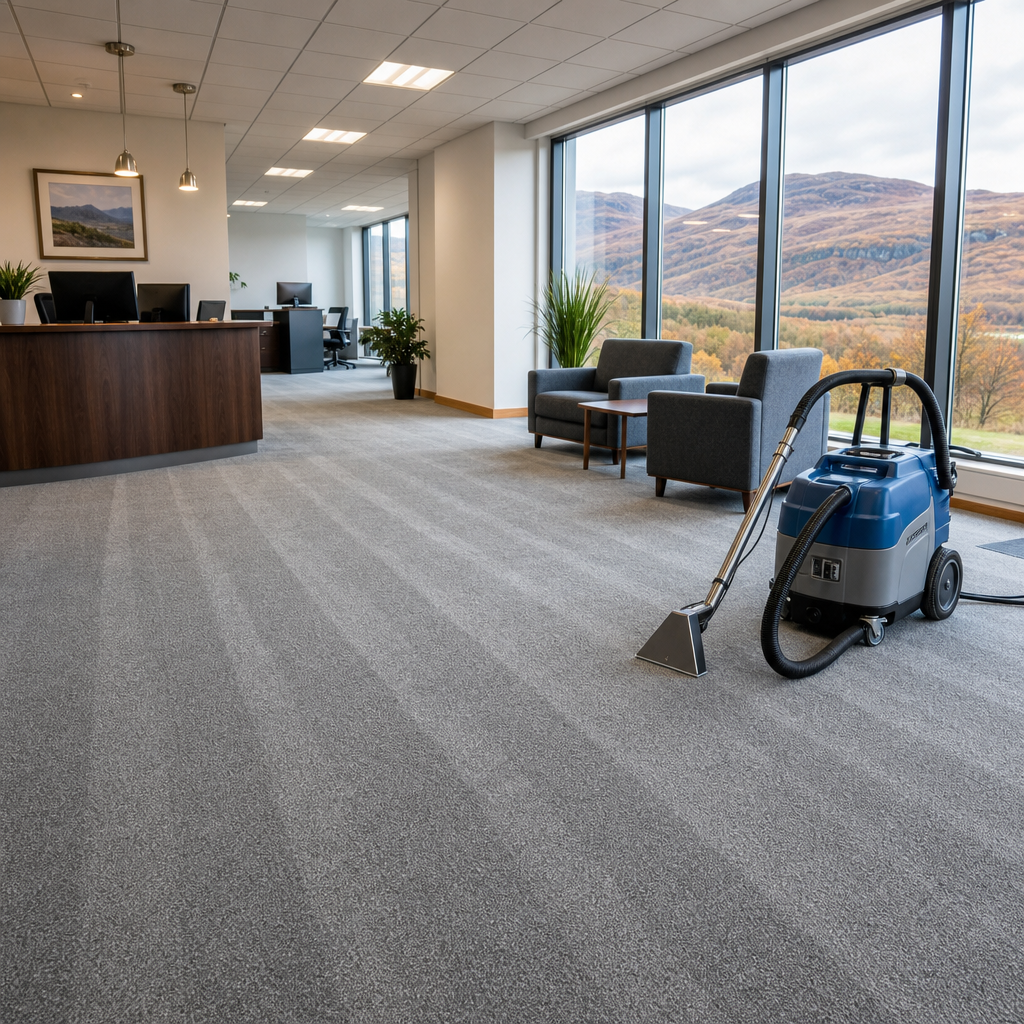
Freshly deep cleaned commercial carpet in a bright Highland office with professional extraction equipment and autumn hills outside
Seasonal Tips7 September 2026

Commercial Carpet Cleaning: Preparing Highland Workplaces for Autumn

Highland rain, mud, and grit can quickly leave commercial carpets looking tired. Learn how professional carpet cleaning protects your flooring, improves indoor air quality, and helps your premises stay welcoming throughout autumn.

8 min readRead full article

September marks a clear change in the Highlands. Wetter weather returns, daylight begins to shorten, and staff, customers, pupils, patients, and visitors spend more time indoors. Across Inverness, Nairn, Forres, Elgin, and Huntly, commercial carpets begin collecting rainwater, mud, grit, and organic debris carried in from pavements and car parks.

Regular vacuuming remains essential, but it cannot remove everything trapped deep within carpet fibres. Without planned professional cleaning, soil becomes compacted, stains become harder to treat, and busy walkways start to look dull long before the carpet reaches the end of its useful life. This guide explains how commercial carpet cleaning works, when it is needed, and how Highland organisations can protect their flooring through the wetter months.

Why Autumn Is Hard on Commercial Carpets

Dry summer dust is abrasive, and autumn moisture helps it sink further into carpet fibres. Small particles of grit then act like sandpaper whenever people walk over them, wearing down fibres and creating permanently grey traffic lanes. Mud and leaf residue can also leave dark marks, unpleasant smells, and organic material that supports bacteria and mould when carpets remain damp.

The effect is strongest around entrances, reception desks, corridors, lifts, coffee points, and routes to toilets. These areas may need more frequent attention than quiet offices or meeting rooms, so a sensible carpet care plan should be based on footfall rather than treating every room in exactly the same way.

Vacuuming and Deep Cleaning Do Different Jobs

A commercial vacuum removes loose surface soil before it becomes embedded. Frequent vacuuming, particularly at entrances and in busy routes, is the foundation of good carpet care. It should include edges and the spaces beneath accessible furniture, where dust often accumulates unnoticed.

Professional deep cleaning reaches the oily soil, compacted dirt, spills, and residues that vacuuming cannot remove. Depending on the carpet and the building, this may involve hot water extraction, low moisture cleaning, encapsulation, or targeted stain treatment. The correct method depends on the carpet fibre, backing, installation, drying time available, and level of soiling.

Choose the Method to Suit the Carpet

Hot water extraction flushes soil from deep within the carpet and is effective for restorative cleaning. It requires controlled water use, thorough extraction, and enough ventilation for safe drying.

Low moisture and encapsulation methods use less water and generally dry faster, making them useful in offices, retail spaces, healthcare waiting areas, and other premises that cannot remain out of use for long. Agitated cleaning solution surrounds the soil, which is then removed through subsequent vacuuming.

Before any full clean, a trained technician should identify the carpet type, test products in an inconspicuous area, and check for potential problems such as colour transfer, shrinkage, damaged seams, or unstable backing.

Treat Stains Quickly and Correctly

Different stains need different treatment. Coffee, ink, grease, mud, and chewing gum do not respond to one universal product. Scrubbing aggressively can spread a stain, damage fibres, or push it deeper into the carpet.

The safest immediate response is usually to remove any solid material, blot liquid gently with a clean absorbent cloth, and record what caused the mark. Avoid flooding the area or mixing chemicals. A professional cleaner can then select a treatment based on the stain and carpet rather than relying on guesswork.

Improve Indoor Air Quality

Carpets act as filters, trapping fine dust, pollen, hair, and other particles brought in from outdoors. This can help prevent particles circulating temporarily, but only if the carpet is vacuumed and cleaned effectively. When overloaded, movement across the surface releases some of that material back into the air.

Detailed vacuuming with suitable filtration and periodic deep cleaning remove this trapped soil. That supports a fresher indoor environment for staff and visitors, particularly during autumn and winter when windows are opened less often.

Prevent Damp and Odours

Commercial carpet should never be left excessively wet after cleaning. Slow drying can create stale odours, encourage microbial growth, and affect the adhesive or subfloor beneath. Professional cleaners control the amount of moisture used, extract it thoroughly, and plan ventilation and drying before the area returns to normal use.

If a carpet smells damp even when it has not recently been cleaned, the source may be a leak, repeated water entry at a doorway, or moisture beneath the flooring. Cleaning can remove surface contamination, but the underlying building issue must also be corrected.

Entrance Matting Is the First Defence

Effective entrance matting can capture a large proportion of the dirt and moisture that would otherwise reach the carpet. Mats should be long enough for several footsteps, lie flat without creating a trip hazard, and be cleaned or replaced before they become saturated.

External paths and doorways also matter. Sweeping leaves, controlling standing water, and maintaining drainage reduces what enters the building. Carpet cleaning delivers the best value when it is supported by good daily prevention.

Build a Practical Carpet Care Schedule

Daily: vacuum busy routes, entrances, reception areas, and visible debris

Weekly: vacuum edges, quieter rooms, and beneath movable furniture, while checking for new stains

Periodically: deep clean high traffic areas according to use and appearance

Annually: review the whole carpet care plan and carry out restorative cleaning where needed

The ideal frequency varies. A school corridor, medical waiting room, or retail entrance may require more attention than a lightly used office. Weather, occupancy, carpet colour, and entrance design all influence the schedule.

Plan Cleaning Around the Building

Commercial carpet cleaning should be arranged around opening hours and drying time. Evening, weekend, or phased cleaning allows areas to remain unused until they are safe and fully dry. Furniture movement, access to power and water, alarm arrangements, and responsibility for reopening each area should all be agreed beforehand.

Clear communication prevents people walking across damp carpet, reduces disruption, and helps the cleaner achieve an even result.

Eco-Friendly Carpet Cleaning

Modern carpet care can reduce environmental impact through controlled product dosing, efficient extraction machinery, low moisture methods, and targeted treatment rather than unnecessary chemical use. At Kleana Space, we choose products and processes suited to the carpet and level of soiling, helping to deliver a fresh result while protecting indoor air quality and the Highland environment.

How Kleana Space Can Help

Kleana Space provides professional carpet cleaning for offices, healthcare facilities, retail spaces, schools, transport premises, site cabins, and other commercial buildings across Inverness, Nairn, Forres, Elgin, Huntly, and the wider Scottish Highlands. We assess the carpet, select an appropriate method, and work around your operating hours to minimise disruption.

If your carpets need attention before the wetter months take hold, we would be glad to help. Call us on 01463 212200 or email info@kleanaspace.com to arrange a free, no obligation quote.

Need professional cleaning services?

Kleana Space provides commercial cleaning throughout the Highlands, Moray and Aberdeen.

Request a Quote
Spotlessly clean Highland warehouse with organised racking, clear walkways, and hills visible through the loading bay
Workplace31 August 2026

Warehouse and Industrial Unit Cleaning: A Practical Guide for Highland Businesses

Clean warehouses are safer, more efficient, and easier to manage. Learn how Highland businesses can control dust, protect stock, reduce workplace risks, and prepare industrial premises for the wetter months ahead.

8 min readRead full article

Warehouses and industrial units support a wide range of Highland businesses, from food and drink producers near Inverness and Elgin to trade suppliers, distribution firms, workshops, and storage facilities serving Nairn, Forres, Huntly, and rural communities. Although customers may rarely enter these buildings, their cleanliness has a direct effect on staff safety, stock condition, productivity, and compliance.

The end of August is a sensible time to review industrial cleaning arrangements. Autumn brings wetter footwear, windblown debris, and increased mud around loading bays, while many businesses begin holding more stock ahead of their busiest winter period. This guide explains what effective warehouse cleaning involves and how to build a practical routine without disrupting daily operations.

Why Warehouse Cleaning Is a Business Essential

Dust, packaging waste, pallet splinters, spills, and tyre marks build up quickly in a working warehouse. Left unmanaged, they create slip and trip hazards, attract pests, affect air quality, and make it harder to spot damaged stock or equipment. A consistently clean building is easier to inspect, safer to move through, and more efficient to operate.

Cleanliness also influences workplace culture. When aisles, loading areas, and welfare facilities are properly maintained, staff are more likely to keep work areas orderly and report problems early. Cleaning becomes part of good site management rather than a last minute response before an inspection.

Start With a Risk Based Cleaning Plan

Not every part of an industrial site needs the same frequency or method. A useful cleaning plan divides the premises into zones according to activity and risk:

Loading bays and entrances collect mud, water, leaves, and vehicle dirt

Picking aisles and packing areas gather cardboard fibres, tape, and packaging debris

Racking and high level surfaces collect dust that can fall onto stock below

Machinery and workshop zones may contain oils, metal particles, or specialist residues

Offices, canteens, changing rooms, and toilets need the same careful hygiene as any workplace

Assigning a clear cleaning frequency to each zone prevents visible areas receiving all the attention while hidden risks are allowed to grow.

Keep Floors Safe and Serviceable

Industrial floors carry people, pallet trucks, forklifts, and delivery traffic throughout the day. Loose debris can damage wheels and create a trip hazard, while spills and wet entrances increase the risk of falls. Daily sweeping or dust control, prompt spill response, and scheduled machine scrubbing help maintain grip and remove compacted dirt that ordinary mopping cannot reach.

The floor type matters. Sealed concrete, resin, safety flooring, and workshop surfaces each need suitable equipment and products. Using the wrong chemical can leave a slippery residue or damage the finish, so the cleaning method should always match the surface and the work taking place around it.

Control Dust Above Floor Level

A warehouse can look clean at ground level while carrying a significant layer of dust on beams, pipes, lights, ventilation grilles, and the tops of racking. Air movement and vehicle activity disturb this dust, allowing it to settle on stock and circulate through the building.

Planned high level cleaning reduces this problem and supports better air quality. It should be carried out by trained teams using the correct access equipment and safe working methods. Racking should also be cleaned in manageable sections so stock can be protected or moved without bringing the whole operation to a halt.

Protect Stock and Prevent Pests

Food crumbs in staff areas, damaged packaging, standing water, and waste stored near loading doors can attract rodents and insects. Cleaning is therefore an important part of pest prevention. Waste should be removed regularly, spills dealt with promptly, and the spaces beneath racking and around external doors kept clear enough to inspect.

A clean warehouse also makes leaks, droppings, damaged cartons, and other warning signs easier to identify early. Fast action protects stock and avoids a small issue becoming an expensive infestation.

Manage Spills Correctly

Every site should have a simple spill procedure. Staff need to know how to isolate the area, identify the substance, use the correct absorbent material, and dispose of waste safely. Unknown liquids, oils, and chemicals should never be treated like an ordinary drink spill. Safety data and site procedures must guide the response, with specialist help used where necessary.

Cleaning teams and warehouse staff should understand where their responsibilities meet. Clear communication prevents a hazardous spill being left for someone who is not trained or equipped to handle it.

Do Not Overlook Welfare Areas

Canteens, toilets, lockers, and changing rooms may occupy only a small part of an industrial building, but they strongly affect staff wellbeing. These areas need daily cleaning, proper colour coding to prevent cross contamination, stocked handwashing supplies, and regular attention to touch points such as taps, handles, tables, and appliance controls.

Good welfare facilities show respect for the people doing physically demanding work and help reduce the spread of seasonal illness through the workforce.

Cleaning Without Stopping Operations

Industrial cleaning works best when planned around quieter shifts, dispatch schedules, and safe access windows. Busy vehicle routes should never be cleaned while forklifts continue to pass through them, and high level work requires the area below to be controlled. A professional cleaning specification should state which zones are available at which times and who is responsible for isolating equipment or moving stock.

Preparing for Highland Autumn Weather

Before the wetter months arrive, check entrance matting, clear drainage channels, deep clean loading bays, and make sure spill equipment is complete. Increasing attention to doorways and pedestrian routes as the weather changes helps stop mud and water travelling through the building. It also reduces the amount of abrasive grit that wears down floors and equipment wheels.

Eco-Friendly Industrial Cleaning

Industrial premises do not always require harsh products. Many routine cleaning tasks can be completed effectively with plant based, eco-friendly solutions, microfibre systems, controlled dosing, and efficient machinery that uses less water. At Kleana Space, we select products and methods according to the surface and type of soil, using stronger specialist treatment only where the task genuinely requires it.

How Kleana Space Can Help

Kleana Space provides routine cleaning and scheduled deep cleans for warehouses, workshops, trade counters, storage facilities, and light industrial units across Inverness, Nairn, Forres, Elgin, Huntly, and the wider Scottish Highlands. Our trained teams work around your operating schedule and build cleaning plans around the risks and demands of your premises.

If you manage a warehouse or industrial unit and want a cleaner, safer, and more efficient workplace, we would be glad to help. Call us on 01463 212200 or email info@kleanaspace.com to arrange a free, no obligation quote.

Need professional cleaning services?

Kleana Space provides commercial cleaning throughout the Highlands, Moray and Aberdeen.

Request a Quote
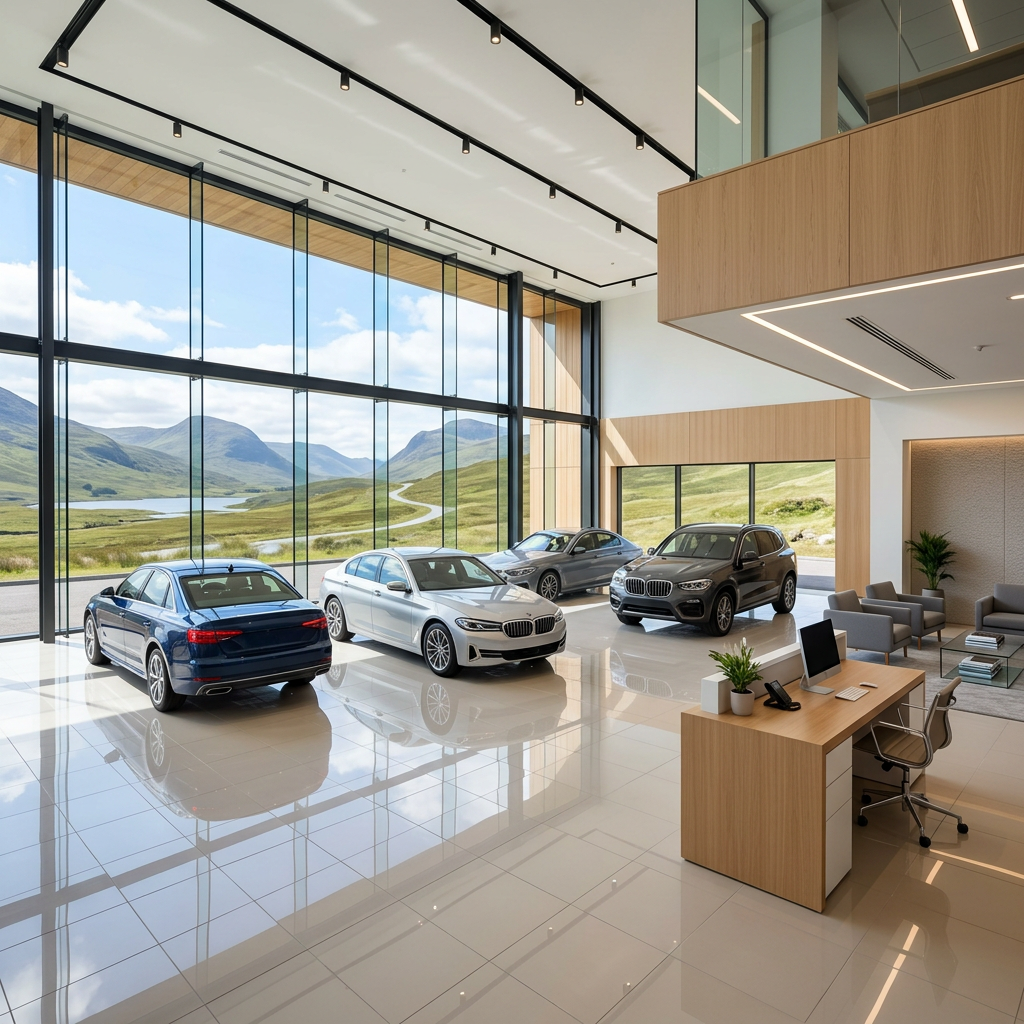
Bright, spotlessly clean Highland car dealership showroom with polished floor, modern vehicles, and hills through the glass frontage
Workplace24 August 2026

Car Dealership and Showroom Cleaning: Creating a Better First Drive for Highland Customers

A vehicle showroom is where customers decide whether they trust a dealer. Here is how thoughtful cleaning helps Highland dealerships protect their presentation, safeguard valuable stock, and make every visit feel professional.

7 min readRead full article

For car dealerships across Inverness, Nairn, Forres, Elgin, Huntly, and the wider Highlands, late summer is a crucial time. Customers begin looking towards the autumn registration change, families compare larger vehicles before the school term, and businesses plan fleet purchases before the end of the year. Every sales conversation starts with a visit to the showroom, and the setting has a powerful influence on what happens next.

A showroom full of well presented vehicles cannot hide dirty floors, fingerprints on glass, dusty desks, or an untidy customer lounge. Cleanliness is not a finishing touch in motor retail. It helps build trust in the dealer, protects high value stock, and gives customers confidence that the same care will carry through to the vehicle they buy. This guide explains what good dealership cleaning involves and where it makes the greatest difference.

The Showroom Is Part of the Sales Experience

Buying a car is one of the largest purchases most people make. Customers want the experience to feel reassuring, considered, and worthwhile. A bright showroom with polished floors and spotless glass makes vehicles look their best and lets customers focus on the details that matter. It also signals that the dealership is organised and takes pride in its work.

First impressions matter especially in the Highlands, where dealerships often serve customers travelling some distance from rural communities. When someone has made a special journey to view a vehicle, a welcoming and immaculate environment shows respect for their time from the moment they arrive.

The Areas Customers Notice Straight Away

The most visible parts of a dealership benefit from daily professional attention:

Entrance doors, glazing, and window displays, where fingerprints and weather marks show immediately

Showroom floors, which need to remain gleaming without becoming slippery under wet shoes

Vehicle display areas, including the space beneath and around each car

Reception desks, sales desks, card readers, and customer seating

Customer lounges, refreshment points, and children's areas

Toilets, which visitors often use as a measure of the whole business

These are not simply cosmetic details. A clean and orderly environment makes it easier for sales staff to focus on customers rather than rushing to address a spill or find clean cups.

Protecting Vehicles and Finishes

Dust and grit may look harmless, but they can scratch high gloss finishes, tarnish chrome, and settle into upholstery. Regular vacuuming, careful damp cleaning, and prompt attention to spills protect both demonstrator vehicles and the dealership's fixtures. Cleaning teams should use products suited to the surfaces involved, particularly around leather, glass, polished metal, touchscreens, and specialist flooring.

The forecourt needs the same care. Rainwater, road grit, fallen leaves, and oil marks can make an otherwise smart display look neglected. Keeping paths, entrances, and external glass clean helps every vehicle make the right impression before the customer even walks through the door.

Workshop and Customer Area Boundaries

A dealership contains several very different environments: the showroom, the workshop, parts storage, offices, customer waiting spaces, and welfare facilities. Workshop areas bring oils, tyre dust, and heavier soil, while customer areas require a calm, polished finish. A clear cleaning plan keeps equipment and cloths for each area separate, preventing workshop grime being carried into customer spaces.

Good cleaning also supports workshop safety. Clear floors, tidy walkways, and promptly cleaned spills reduce slips and trips for technicians, delivery drivers, and visitors.

Working Around Opening Hours

The best time to clean a showroom thoroughly is before the first customer arrives or after the final appointment of the day. Early morning and evening cleaning keeps the sales floor clear, removes disruption for staff, and means every vehicle is presented in its best light at opening time. Periodic deep cleans can also be scheduled around quieter days or manufacturer events.

A Practical Dealership Cleaning Routine

Daily: entrance glass, floors, toilets, reception points, customer areas, and high touch surfaces

Weekly: detailed attention to display fixtures, internal glazing, staff facilities, and areas beneath vehicles

Monthly: machine cleaning or polishing for floors, deeper upholstery care, high level dusting, and thorough forecourt attention

Seasonally: a full deep clean before major registration periods, sales events, or manufacturer visits

Eco-Friendly Cleaning That Fits Modern Motoring

Customers increasingly expect businesses to make responsible choices, particularly as electric and hybrid vehicles become a larger part of showroom displays. At Kleana Space, we use plant based, eco-friendly products that provide an excellent finish without harsh fumes or residues. They are safer for customers, staff, and sensitive vehicle interiors, while reflecting the care Highland communities have for their environment.

How Kleana Space Can Help

Kleana Space provides daily cleaning, window cleaning, forecourt cleaning, and scheduled deep cleans for car dealerships, vehicle showrooms, garages, and service centres across Inverness, Nairn, Forres, Elgin, Huntly, and the wider Scottish Highlands. Our trained teams work around your opening hours and presentation standards, so every customer sees your business at its best.

If you run a dealership or showroom and want a cleaner space that supports every sale, we would be glad to help. Call us on 01463 212200 or email info@kleanaspace.com to arrange a free, no obligation quote.

Need professional cleaning services?

Kleana Space provides commercial cleaning throughout the Highlands, Moray and Aberdeen.

Request a Quote
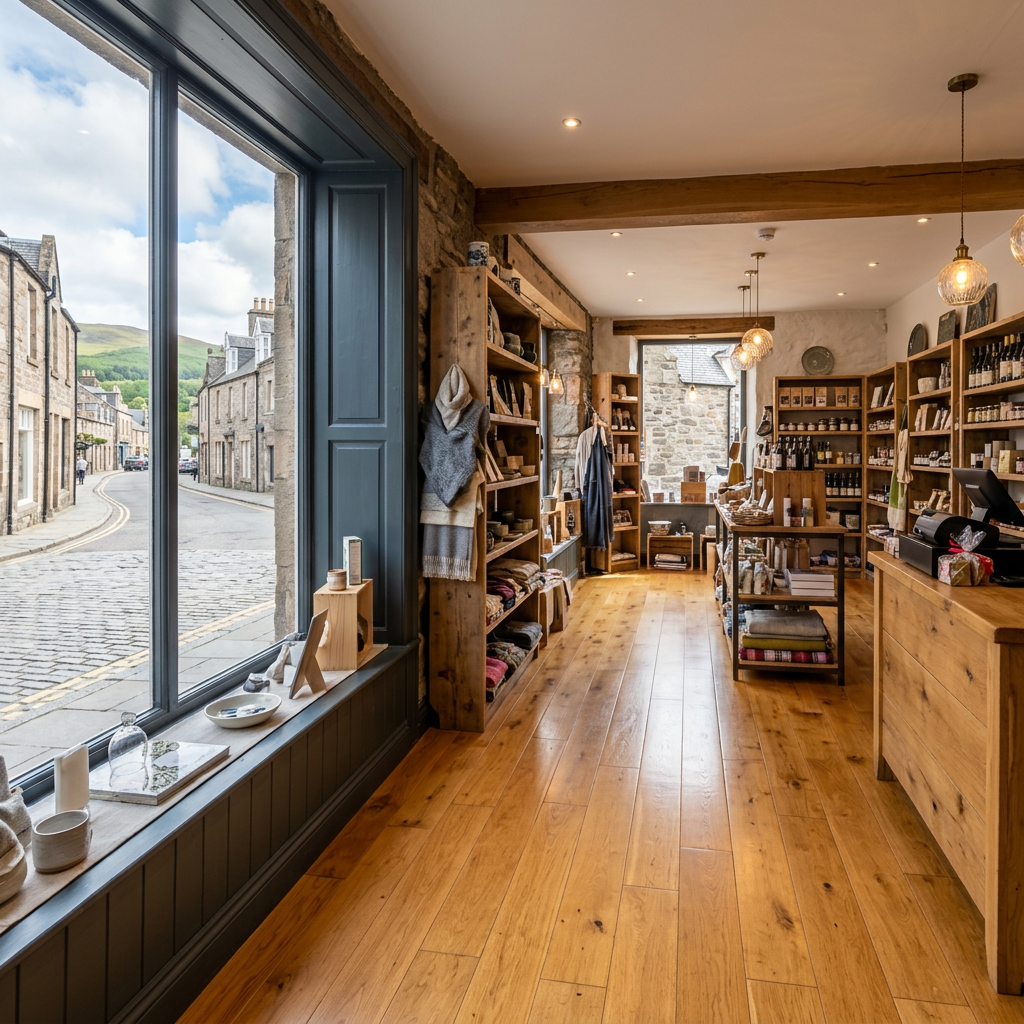
Bright, spotlessly clean independent Highland high street shop interior with polished floors and sparkling window display
Workplace17 August 2026

Retail and Shop Cleaning: Helping Highland High Streets Shine

From independent boutiques to busy showrooms, a spotless shop sells more. Here is how professional cleaning helps Highland retailers protect their stock, welcome customers, and stand out on the high street.

7 min readRead full article

The high streets of the Highlands and Moray are full of character. Independent boutiques, gift shops, bookshops, bakeries, pharmacies, and showrooms line the town centres of Inverness, Nairn, Forres, Elgin, and Huntly, trading alongside national names and serving locals and visitors alike. Late summer brings some of the busiest weeks of the year, with holidaymakers still arriving and families shopping ahead of the new school term.

For a shop, cleanliness is part of the product. Customers judge what you sell by the state of the space you sell it in, and in retail those judgements happen fast. This guide explains why cleaning matters so much in shops, the areas that need the most attention, and how Highland retailers can keep standards high through their busiest trading weeks.

A Clean Shop Sells More

Retail research has shown time and again that shoppers link cleanliness with quality. A gleaming window display draws people in, fresh smelling and orderly interiors encourage them to browse for longer, and customers who feel comfortable spend more. The opposite is just as true: dusty shelves, grubby floors, and smeared glass quietly tell customers that standards are low, and many will simply walk out rather than complain.

For independent shops competing with online retail, the physical experience of visiting is the one advantage the internet cannot copy. Keeping that experience immaculate protects the very thing that brings customers through the door.

The Areas Shoppers Notice First

The shopfront: clean windows, a tidy entrance, and a swept doorstep form the first impression before anyone steps inside

Floors: the hardest working surface in any shop, collecting grit, mud, and moisture from the street all day long

Glass and mirrors: display cases, counters, and fitting room mirrors show fingerprints and smears instantly

Shelving and displays: dust gathers quickly on stock, packaging, and the shelves beneath, especially near doorways

Counters and card readers: touched by every single customer, they deserve daily sanitising

Fitting rooms and customer toilets: small spaces that carry a large share of the overall impression

Protecting Your Stock

Cleaning in retail is also about protecting what you sell. Dust dulls packaging and fabrics, grit scratches hard floors and display surfaces, and damp or poorly ventilated stockrooms can damage goods before they ever reach the shelf. Regular attention to stockrooms, storage areas, and back of house spaces keeps stock in saleable condition and makes stocktaking and deliveries easier to manage.

Cleaning Around Trading Hours

No retailer wants mops and vacuum cleaners weaving between customers. The answer is cleaning outside trading hours: early mornings before opening, evenings after close, or planned deep cleans on quiet days. A reliable cleaning partner working to an agreed schedule means the shop opens spotless every single morning without eating into staff time, because asking sales staff to clean properly between serving customers rarely works well for either job.

Floor Care Through the Seasons

Highland weather is hard on shop floors. Summer brings dust and grit, autumn and winter bring rain, mud, and salt walked in from the street. Entrance matting, daily floor cleaning, and periodic machine scrubbing or polishing keep hard floors safe and smart, while regular carpet care stops walkways turning grey and tired. Slip safety matters too: wet floors at entrances are one of the most common causes of customer accidents, and good matting and prompt attention protect both shoppers and the business.

Eco-Friendly Cleaning Customers Appreciate

Many Highland independents build their brand around local provenance and sustainability, and customers increasingly expect the whole experience to match. At Kleana Space, we use plant based, eco-friendly products that clean effectively without harsh fumes lingering around your stock and your customers, and that are kind to the Highland environment your shop calls home.

How Kleana Space Can Help

Kleana Space provides daily cleaning, window cleaning, and scheduled deep cleans for shops, boutiques, showrooms, pharmacies, and retail units across Inverness, Nairn, Forres, Elgin, Huntly, and the wider Scottish Highlands. Our trained teams work around your trading hours, so your shop welcomes every customer at its very best.

If you run a shop and want a space that sells as hard as you do, we would be glad to help. Call us on 01463 212200 or email info@kleanaspace.com to arrange a free, no obligation quote.

Need professional cleaning services?

Kleana Space provides commercial cleaning throughout the Highlands, Moray and Aberdeen.

Request a Quote

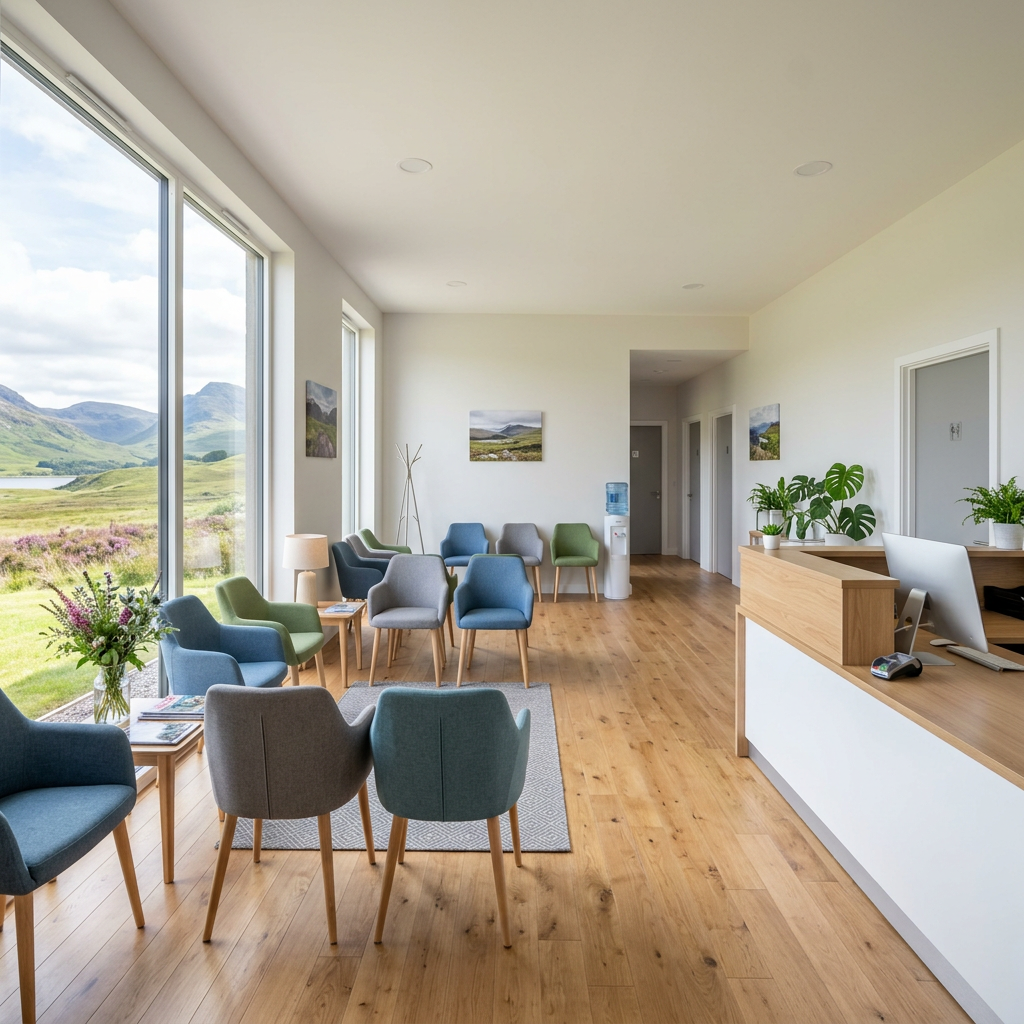
Bright, spotlessly clean Highland medical practice waiting room with tidy seating and fresh natural light
Workplace10 August 2026

Cleaning for GP Surgeries and Dental Practices: A Guide for Highland Healthcare Premises

Patients judge a medical or dental practice on cleanliness before they ever meet a clinician. Here is what professional cleaning involves in Highland healthcare settings, and why it matters for patient confidence, infection prevention, and inspections.

7 min readRead full article

Across the Highlands and Moray, a network of GP surgeries, dental practices, physiotherapy clinics, opticians, and health centres serves communities from Inverness and Nairn to Forres, Elgin, and Huntly. Many are small, busy premises seeing dozens of patients a day, and every one of those patients forms a judgement about the practice the moment they walk into the waiting room.

In a healthcare setting, cleanliness is far more than presentation. It is a core part of infection prevention and control, a factor in inspections, and one of the strongest influences on patient confidence. This guide explains what good cleaning looks like in primary care and dental premises, and how Highland practices can keep standards consistently high.

Why Cleanliness Shapes Patient Confidence

Patients arrive at a surgery or clinic feeling unwell, anxious, or in pain, and they notice their surroundings acutely. A fresh, orderly waiting room reassures them that the practice is careful and professional. Worn seating, scuffed floors, dusty surfaces, or a tired toilet suggest the opposite, however excellent the clinical care may be.

Reviews reflect this. Comments about cleanliness appear again and again in patient feedback, and in smaller Highland towns where word of mouth carries real weight, a reputation for a spotless practice is worth protecting.

Clinical Versus Non-Clinical Areas

Healthcare premises contain two very different kinds of space, and each needs its own approach.

Non-clinical areas include waiting rooms, reception desks, corridors, staff rooms, and patient toilets. These carry heavy footfall and constant hand contact, so they need thorough daily cleaning with particular attention to touch points such as door handles, chair arms, card readers, and children's play areas.

Clinical areas include consulting rooms, treatment rooms, and dental surgeries. Here cleaning supports the practice's own infection prevention and control procedures: clinical staff decontaminate equipment and clinical surfaces, while professional cleaners maintain floors, sinks, splashbacks, and general surfaces to a standard that supports the clinical team's work. Clear boundaries between the two responsibilities, agreed in a cleaning specification, prevent anything falling through the gap.

The Touch Points That Matter Most

In a building full of people who may be carrying infections, high touch surfaces deserve daily and often more frequent attention:

Door handles, push plates, and handrails throughout the building

Reception counters, pens, card readers, and self check in screens

Waiting room chairs, especially arms and wipeable coverings

Toilet doors, locks, taps, flush handles, and baby changing units

Light switches, lift buttons, and water cooler taps

Colour Coding and Cross Contamination

Professional healthcare cleaning uses strict colour coding so that cloths and mops from toilets are never used in clinical rooms or waiting areas. Combined with correct dilution of disinfectants and proper contact times, this discipline is what separates genuine hygiene from surfaces that merely look clean. It is exactly the sort of detail inspectors look for evidence of.

Being Inspection Ready

Practices in Scotland are answerable to bodies such as Healthcare Improvement Scotland and NHS boards, and dental practices undergo their own inspections where decontamination and cleanliness feature prominently. Documented cleaning schedules, signed records of completed work, and a cleaning partner familiar with healthcare requirements all make inspections far less stressful, because the evidence of a well run practice is already in place.

Cleaning Around Surgery Hours

Most practices cannot have cleaners working around patients. Early morning and evening cleaning keeps clinical time undisturbed, and a reliable partner matters enormously in rural areas where a missed clean cannot be casually covered. Flexible scheduling also allows for periodic deep cleans of waiting areas, carpets, and hard floors during planned closures such as public holidays and training afternoons.

Eco-Friendly Products in Sensitive Settings

Waiting rooms are shared by babies, elderly patients, and people with asthma and allergies, so harsh chemical fumes have no place in them. At Kleana Space, we use plant based, eco-friendly products that disinfect effectively without strong residues or fumes, protecting sensitive patients and staff while caring for the Highland environment.

How Kleana Space Can Help

Kleana Space provides professional cleaning for GP surgeries, dental practices, clinics, opticians, and health centres across Inverness, Nairn, Forres, Elgin, Huntly, and the wider Scottish Highlands. Our trained teams follow strict colour coding, work around your surgery hours, and provide the documented, reliable standards that healthcare premises depend on.

If you manage a practice and want cleaning that supports patient confidence and inspection readiness alike, we would be glad to help. Call us on 01463 212200 or email info@kleanaspace.com to arrange a free, no obligation quote.

Need professional cleaning services?

Kleana Space provides commercial cleaning throughout the Highlands, Moray and Aberdeen.

Request a Quote
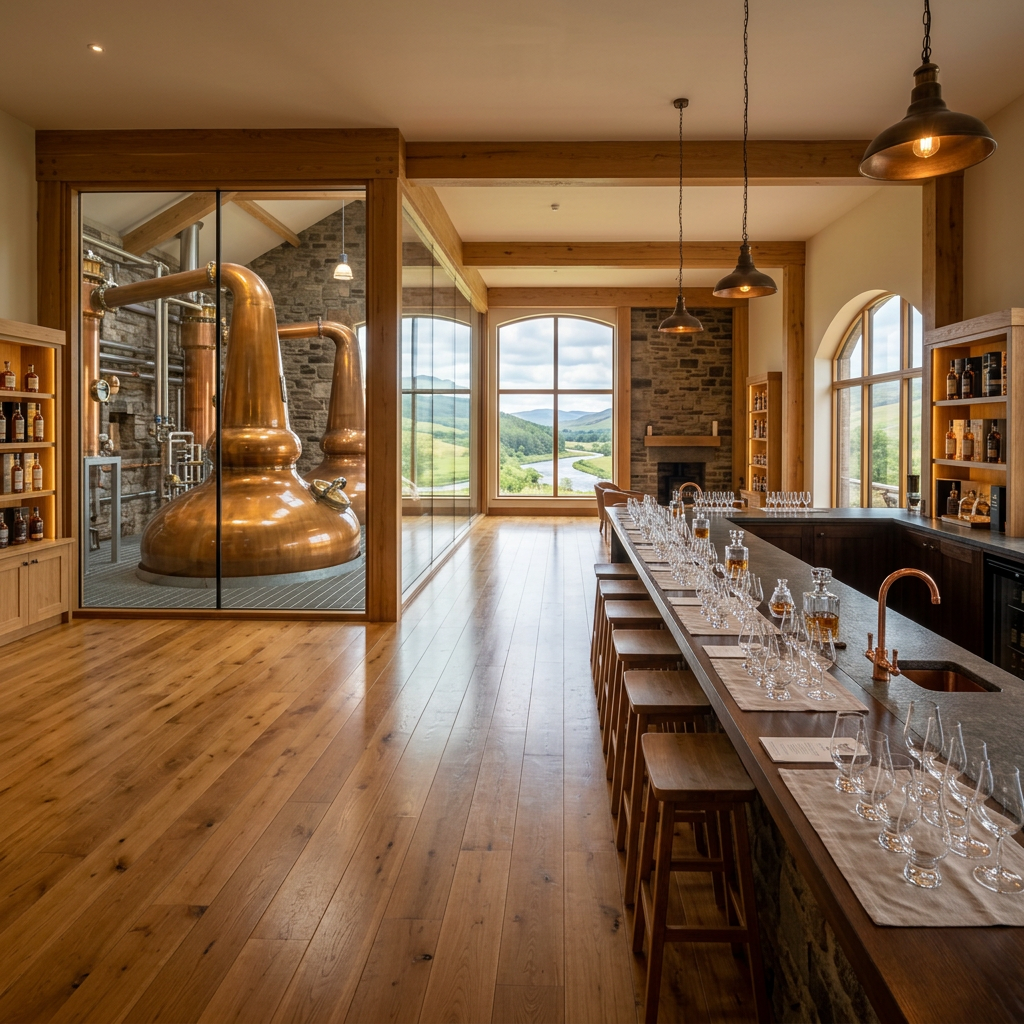
Spotlessly clean Highland whisky distillery visitor centre with polished floors, copper still, and gleaming tasting bar
Workplace3 August 2026

Cleaning for Distilleries and Visitor Attractions: Presenting the Highlands at Their Best

From Speyside distilleries to museums and heritage sites, the Highlands welcome huge numbers of visitors every summer. Here is how professional cleaning helps visitor attractions protect their reputation, their buildings, and their guests' experience.

7 min readRead full article

The Highlands and Moray are home to some of Scotland's most visited attractions. Speyside alone holds the greatest concentration of whisky distilleries in the world, with famous names clustered around Elgin, Forres, Huntly, and the surrounding countryside, while Inverness and Nairn draw visitors to museums, galleries, castles, and heritage centres throughout the season.

August is the height of that season. Tour buses arrive daily, visitor centres run tastings and tours from morning until evening, and gift shops and cafes work at full stretch. Every one of those visitors forms an impression of the attraction within moments of stepping inside, and cleanliness shapes that impression more than almost anything else. This guide explains what good cleaning looks like for distilleries, visitor centres, and attractions, and why it matters so much to the visitor experience.

First Impressions Are the Product

A distillery tour or heritage visit is an experience, not just a transaction. Visitors photograph everything, share their day on social media, and leave reviews that future guests read before booking. Smeared glass display cases, dusty bottles on gift shop shelves, sticky tasting bars, and tired toilets all find their way into those reviews.

The reverse is equally true. A spotless welcome area, gleaming glassware, and fresh, well kept facilities tell visitors they are somewhere that takes pride in its craft. For premium brands in particular, the standard of the visitor centre reflects directly on the product itself.

The Areas That Matter Most

Visitor attractions have a distinctive mix of spaces, each with its own cleaning demands:

Welcome areas and reception desks, the first surfaces every guest sees and touches

Glass display cases, mirrors, and windows, where fingerprints and smears show instantly

Tasting rooms and bars, where spilled spirits leave sticky residues and glassware must sparkle

Gift shops, where dust settles quickly on bottles, packaging, and shelving

Cafes and restaurants, which carry the full weight of food hygiene standards

Toilets, which visitors consistently rank among the strongest influences on their overall impression

Tour routes, stairs, and walkways, where hundreds of feet a day bring in grit, mud, and moisture

Cleaning Around Tours and Opening Hours

Attractions cannot simply close for cleaning in high season. The practical answer is scheduling: early morning cleans before the first tour, evening cleans after the last visitor leaves, and discreet touch point wiping during the day. A cleaning partner who works flexible and unsociable hours means standards never depend on squeezing cleaning into the busiest part of the day.

Caring for Heritage Buildings

Many Highland attractions occupy historic buildings, from Victorian distillery warehouses to centuries old castles and townhouses. These need a gentler touch: appropriate products for stone, timber, and traditional finishes, care around delicate displays and exhibits, and attention to the damp that older buildings attract. Harsh chemicals and abrasive methods can permanently damage irreplaceable features, so knowledge of what to use where genuinely matters.

Managing the Seasonal Surge

Footfall at Highland attractions can multiply many times over between winter and August. Sensible preparation includes booking deep cleans in the quieter spring weeks so the season starts from a high standard, increasing cleaning frequency in step with visitor numbers, keeping consumables well stocked so toilets never run short on the busiest days, and planning an end of season deep clean to deal with the accumulated wear of a long summer.

Eco-Friendly Cleaning Visitors Notice

Sustainability is part of the story many Highland attractions tell, from renewable energy in distilleries to conservation work at heritage sites. Cleaning should match that story. At Kleana Space, we use plant based, eco-friendly products that clean effectively without harsh fumes or residues, safe for visitors, staff, historic interiors, and the Highland environment your guests come to enjoy.

How Kleana Space Can Help

Kleana Space provides daily cleaning and scheduled deep cleans for distilleries, visitor centres, museums, galleries, and attractions across Inverness, Nairn, Forres, Elgin, Huntly, and the wider Scottish Highlands. Our trained teams work around your tours and opening hours, treat heritage interiors with the care they deserve, and keep every part of the visitor journey spotless from car park to gift shop.

If you run a visitor attraction and want every guest to see the Highlands at their best, we would be glad to help. Call us on 01463 212200 or email info@kleanaspace.com to arrange a free, no obligation quote.

Need professional cleaning services?

Kleana Space provides commercial cleaning throughout the Highlands, Moray and Aberdeen.

Request a Quote
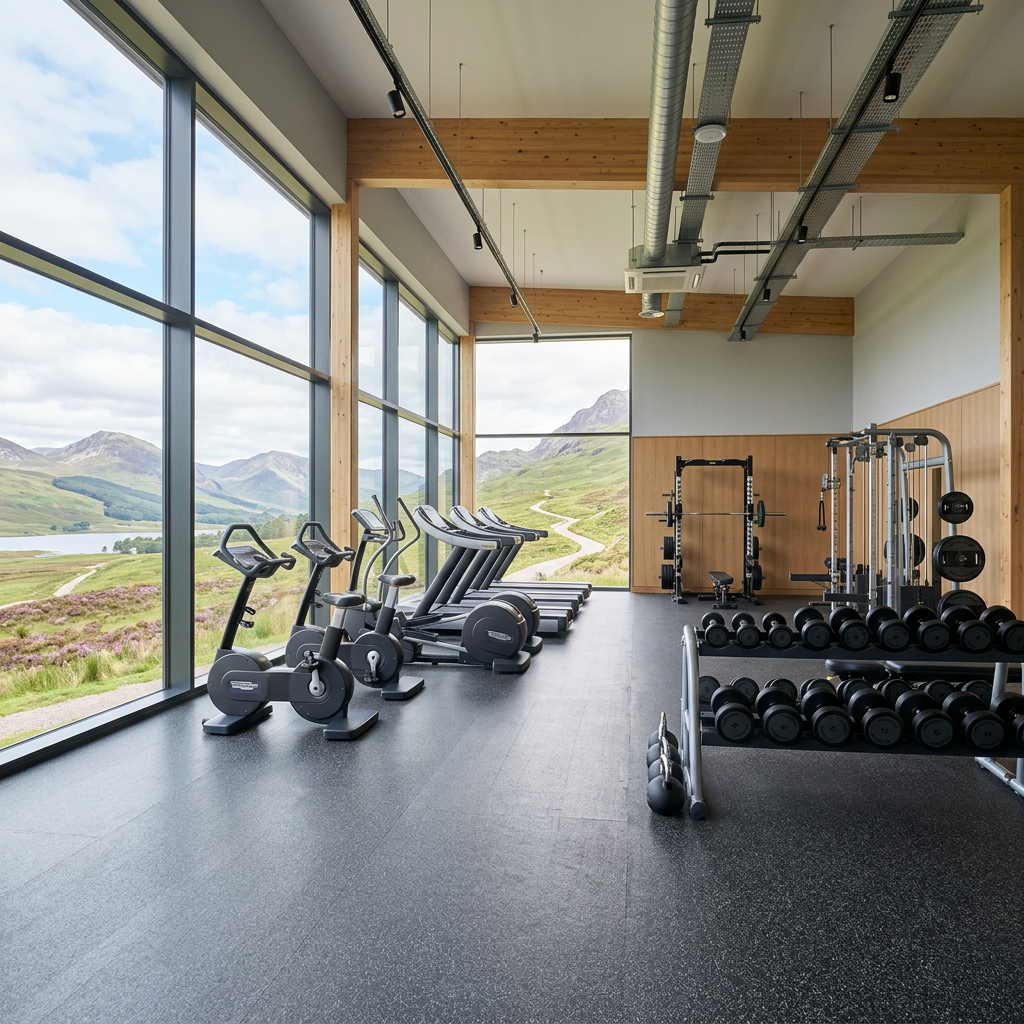
Bright, spotlessly clean modern Highland gym with gleaming equipment and hills visible through large windows
Workplace27 July 2026

Gym and Leisure Centre Cleaning: Keeping Highland Fitness Facilities Fresh and Safe

Gyms, leisure centres, and sports clubs are among the most demanding environments to keep clean. Here is why hygiene matters so much in fitness facilities, and how Highland operators can keep members healthy and equipment in top condition.

7 min readRead full article

Fitness facilities across the Highlands are busier than ever. From gyms and leisure centres in Inverness to sports clubs, swimming pools, and community fitness suites in Nairn, Forres, Elgin, and Huntly, more people are training year round, and summer brings an extra wave of visitors, holiday programmes, and family memberships.

All of that activity makes gyms one of the most demanding environments to keep clean. Warm, humid spaces, shared equipment, and constant footfall create perfect conditions for bacteria, viruses, and fungi to spread. This guide explains why hygiene matters so much in fitness settings and what a proper cleaning regime looks like.

Why Gym Hygiene Matters More Than Most

Every piece of shared equipment is touched by dozens of hands each day. Sweat transfers readily onto benches, mats, handles, and touchscreens, and research consistently shows that gym equipment can harbour more bacteria than many everyday surfaces people would think twice about touching.

The consequences are real: skin infections such as athlete's foot and ringworm, colds and stomach bugs passing between members, and unpleasant odours that no air freshener can mask. For members, a gym that smells stale or shows visible grime is a powerful reason to cancel. For operators, cleanliness is one of the most common themes in membership reviews, positive and negative alike.

The High Touch Points That Need Daily Attention

Effective gym cleaning concentrates on the surfaces hands and skin meet most often:

Dumbbells, barbells, weight plates, and kettlebell handles

Cardio machine handles, consoles, and touchscreens

Benches, mats, and adjustable seat pads

Door handles, lockers, and water fountain buttons

Reception desks, card readers, and turnstiles

These need sanitising at least daily, and ideally several times a day during busy periods. Providing wipes for members helps, but it never replaces a professional cleaning routine, because members clean inconsistently and miss the areas they cannot see.

Changing Rooms, Showers, and Wet Areas

Changing rooms and showers are where hygiene problems most often take hold. Warmth and moisture encourage mould, mildew, and the fungi behind athlete's foot, while drains and tiled floors trap hair, soap residue, and grime. A proper regime includes daily disinfection of floors, benches, and shower surfaces, regular descaling of showerheads and taps, attention to grout lines and silicone seals, and good ventilation checks so damp never lingers.

For facilities with pools, saunas, or steam rooms, the demands rise again, with poolside surfaces, gratings, and humid timber all needing specialist attention.

Cleaning Versus Disinfecting Equipment

Wiping visible sweat from a bench is cleaning; killing the bacteria left behind is disinfecting, and both steps matter. Disinfectants also need the correct contact time on a surface to work properly, something rushed wipe downs rarely achieve. Professional cleaners use products and methods matched to gym surfaces, so rubber flooring, upholstery, and machine consoles are sanitised effectively without being damaged.

Protecting Your Equipment Investment

Commercial gym equipment is a major investment, and sweat is corrosive. Left on upholstery, it cracks and degrades padding; left on metal, it corrodes bars and weight stacks. Dust build up inside cardio machines shortens their working life too. Consistent, correct cleaning protects that investment and keeps expensive repairs and replacements at bay.

A Sensible Cleaning Schedule for Fitness Facilities

Continuously: wipes available for members, staff spot checks of busy zones

Daily: all high touch equipment sanitised, changing rooms and showers disinfected, floors cleaned, bins emptied

Weekly: deep attention to grout, drains, vents, and under and behind equipment

Monthly or quarterly: full deep clean including upholstery, high level surfaces, ventilation grilles, and hard floor restoration

Eco-Friendly Cleaning for Health Conscious Members

Gym members care about their health, and many care just as much about the environment. Harsh chemical residues and strong fumes sit poorly in a space where people breathe hard by design. At Kleana Space, we use plant based, eco-friendly products that sanitise effectively without harsh residues, keeping the air fresh for members and staff while protecting the Highland environment.

How Kleana Space Can Help

Kleana Space provides daily cleaning and scheduled deep cleans for gyms, leisure centres, sports clubs, and fitness studios across Inverness, Nairn, Forres, Elgin, Huntly, and the wider Scottish Highlands. Our trained teams work around your opening hours, including early mornings and late evenings, so your facility is spotless before the first member arrives.

If you run a fitness facility and want hygiene standards your members notice for all the right reasons, we would be glad to help. Call us on 01463 212200 or email info@kleanaspace.com to arrange a free, no obligation quote.

Need professional cleaning services?

Kleana Space provides commercial cleaning throughout the Highlands, Moray and Aberdeen.

Request a Quote
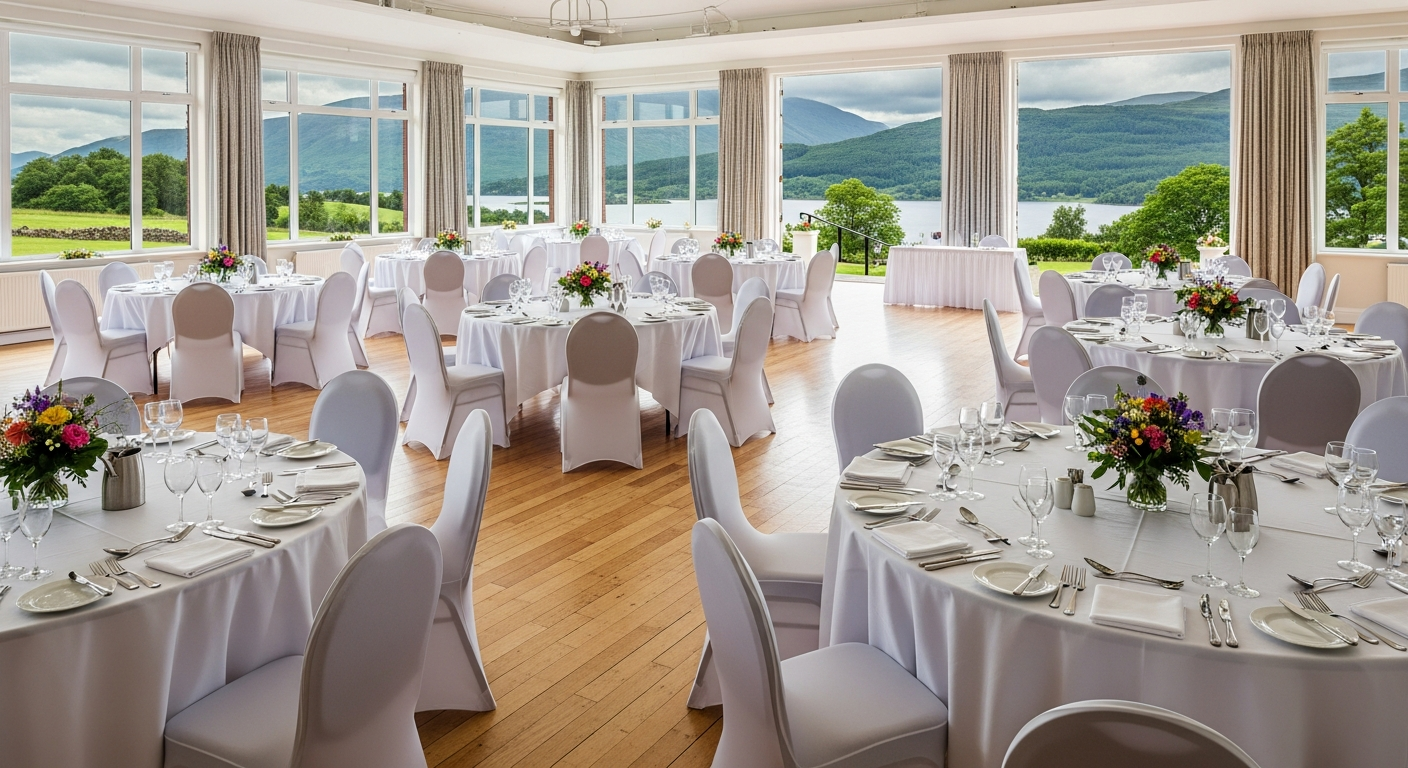
Spotlessly clean Highland events venue hall prepared for a summer wedding with polished floors and dressed tables
Seasonal Tips20 July 2026

Event and Venue Cleaning: Getting Highland Halls and Function Spaces Guest Ready

From Highland Games weekends to summer weddings, July and August are packed with events across the region. Here is how proper venue cleaning before and after an event protects your bookings, your reputation, and your building.

7 min readRead full article

High summer is event season in the Highlands. Across Inverness, Nairn, Forres, Elgin, and Huntly, community halls host ceilidhs and Highland Games gatherings, hotels and function suites are booked out for weddings, and village halls, sports clubs, and conference spaces welcome a steady stream of visitors. Every one of those events leaves its mark on a building, and every new booking expects the venue to look immaculate.

For anyone who manages a hall, function room, or events venue, cleaning is a constant cycle of preparation and recovery. This guide explains what thorough event cleaning involves, why it matters for repeat bookings, and how to manage quick turnarounds when events come back to back.

First Impressions Win Bookings

Couples viewing a wedding venue, organisers booking a conference room, and families hiring a hall for a celebration all judge a space within moments of walking in. Scuffed floors, dusty corners, smeared glass, and tired toilets tell them the venue is not cared for, however lovely the building itself may be.

A consistently spotless venue does the opposite. It photographs well, earns glowing reviews, and gives organisers confidence that their event is in good hands. In a region where so much venue business comes through word of mouth and online reviews, cleanliness is a genuine commercial asset.

Pre-Event Cleaning: Setting the Stage

Preparation cleaning makes sure the venue is at its best before guests arrive. A thorough pre-event clean typically covers:

Floors polished, vacuumed, or mopped, with particular attention to entrances and dance areas

Toilets and baby changing facilities cleaned, sanitised, and fully stocked

Glass, mirrors, and windows cleaned for bright, welcoming rooms

Kitchens and bar areas cleaned and ready for caterers

Tables, chairs, and sills dusted and wiped, cobwebs removed from high corners

Entrances, steps, and car park areas tidied so the venue welcomes guests from the moment they arrive

Post-Event Cleaning: The Recovery

After the last guest leaves, the real work begins. Post-event cleaning deals with spilled drinks, food waste, confetti, muddy footprints, and everything else a busy celebration leaves behind. Acting quickly matters, because stains set, odours linger, and the next booking is often only hours away.

A professional post-event clean includes full waste removal and recycling, deep cleaning of toilets and kitchens, stain treatment for carpets and upholstery, floor care appropriate to the surface, and a final check that the venue is reset and ready for whatever comes next.

Managing Back to Back Bookings

The summer season often means a wedding on Saturday, a christening on Sunday, and a community group on Monday morning. Quick turnarounds are only possible with a plan:

Agree cleaning time slots when bookings are taken, so there is always a window between events

Keep an inventory of consumables such as toilet rolls, soap, and bin liners so nothing runs out mid weekend

Use a cleaning partner who can work unsociable hours, including late nights and early mornings, so cleaning never eats into event time

Book periodic deep cleans during quieter weeks to keep carpets, upholstery, and hard floors in condition despite heavy summer use

Protecting Your Building

Regular professional cleaning also protects the fabric of the venue itself. Grit walked into wooden floors acts like sandpaper, spilled drinks damage finishes if left, and moisture in poorly ventilated areas encourages mould. Consistent care keeps maintenance costs down and preserves the character of the many beautiful older halls and buildings found across the Highlands.

Eco-Friendly Event Cleaning

Events generate a great deal of waste, and responsible venues increasingly want it handled sustainably. At Kleana Space, we use plant based, eco-friendly products that are safe for the varied surfaces found in older buildings and gentle on the Highland environment, and we take care to separate recycling from general waste wherever facilities allow.

How Kleana Space Can Help

Kleana Space provides pre-event and post-event cleaning for halls, hotels, function suites, and community venues across Inverness, Nairn, Forres, Elgin, Huntly, and the wider Scottish Highlands. Our teams work flexibly around your bookings, including evenings and weekends, so your venue is always guest ready.

If you manage a venue and want every event to start with a spotless space, we would be glad to help. Call us on 01463 212200 or email info@kleanaspace.com to arrange a free, no obligation quote.

Need professional cleaning services?

Kleana Space provides commercial cleaning throughout the Highlands, Moray and Aberdeen.

Request a Quote
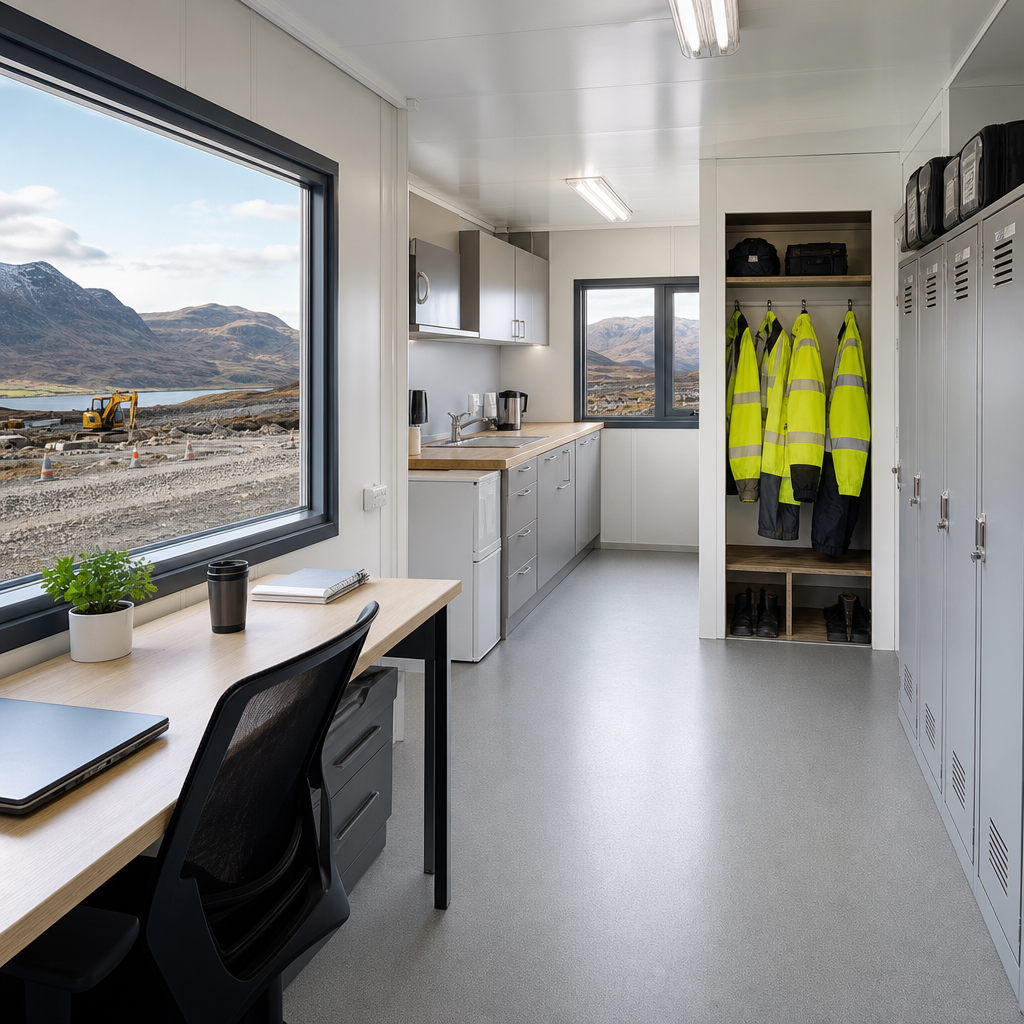
Spotlessly clean construction site cabin in the Scottish Highlands with tidy office, kitchenette, lockers, and durable flooring
Workplace13 July 2026

Site Cabin Cleaning: A Practical Guide for Highland Construction Projects

Clean welfare cabins help construction teams stay healthy, safe, and productive. Learn how Highland contractors can maintain offices, canteens, changing areas, and toilets throughout every stage of a project.

8 min readRead full article

Construction and civil engineering projects across Inverness, Nairn, Forres, Elgin, Huntly, and the wider Highlands depend on temporary cabins for offices, meetings, breaks, changing, drying workwear, and using welfare facilities. These compact buildings receive heavy use from teams working in mud, dust, rain, and wind, so their cleaning needs are very different from those of an ordinary office.

A site cabin may be temporary, but the duty to provide clean and suitable welfare facilities is not. Well maintained cabins support staff health, improve morale, make a better impression during client visits, and help site managers demonstrate that welfare is being managed properly. This guide explains how to create a practical cleaning plan for a busy Highland construction site.

Why Clean Welfare Facilities Matter

Construction is physically demanding work. Staff need a clean place to wash their hands, eat, change clothes, warm up, and recover during breaks. If toilets are unpleasant, canteen tables are dirty, or drying rooms smell damp, people are less likely to use the facilities properly. That can affect hygiene, wellbeing, and productivity across the whole site.

Clean welfare areas also show that standards apply everywhere. A tidy site office and cared for facilities reinforce the same organised culture expected in safety, quality, and project delivery.

Divide the Cabins Into Cleaning Zones

Different site cabin areas carry different risks and should not share the same cloths or cleaning equipment:

Toilets and washrooms need daily cleaning, disinfection, descaling, and restocking

Canteens and kitchenettes need food safe cleaning of tables, worktops, sinks, appliance handles, and floors

Offices and meeting rooms need dust control, vacuuming, bin emptying, and touch point cleaning

Changing and drying rooms need attention to benches, lockers, floors, ventilation, and damp odours

Steps, entrances, and connecting corridors need frequent removal of mud, grit, and standing water

A colour coded system prevents germs from toilet areas being transferred to canteens, desks, or other shared surfaces.

Control Mud Before It Travels

Highland weather can turn a clean cabin floor into a muddy slip risk within minutes. The best approach begins outside the door. Stable access paths, effective entrance matting, boot scrapers, and clearly designated storage for wet clothing all reduce the amount of dirt brought inside.

Entrance areas still need regular attention throughout the day. Wet floors should be dried promptly, grit removed before it scratches flooring, and saturated mats replaced or cleaned. This is especially important around steps and thresholds, where slips can cause serious injury.

Focus on Shared Touch Points

Cabins bring many people into small spaces, so illness can spread quickly through shared surfaces. Door handles, kettle handles, taps, fridge doors, microwave controls, chair backs, light switches, and signing in equipment all need regular sanitising. During periods of seasonal illness, cleaning frequency should increase rather than relying on one clean at the end of the shift.

Hand soap, paper towels, toilet roll, and bin liners should be checked during every visit. A perfectly cleaned washroom is not functional if staff cannot wash and dry their hands.

Canteen and Kitchenette Hygiene

Food areas can quickly attract pests if crumbs, food waste, and spills are left overnight. Worktops and tables should be cleaned daily, bins emptied, sinks left clear, and fridges checked regularly for abandoned food. Cleaning beneath appliances and around bin storage prevents hidden residues and unpleasant smells from building up.

Staff still have a role to play. A simple clear desk and clear sink rule before the cleaner arrives allows the whole area to be cleaned properly rather than merely tidied around personal items.

Drying Rooms and Damp Workwear

Wet clothing is a constant challenge on Highland sites. Drying rooms need effective ventilation and enough space for air to circulate around garments. Floors should be cleaned and dried, vents kept free of dust, and benches and lockers wiped regularly. Persistent condensation, mould, or musty odours should be reported because cleaning alone cannot correct a ventilation or heating problem.

Plan Cleaning Around the Project

Cabin use changes as a project develops. Groundworks may bring the heaviest mud, fit out stages can create fine dust, and staff numbers may rise or fall from week to week. The cleaning specification should be reviewed as the site changes, with extra visits arranged during peak activity rather than waiting for standards to deteriorate.

Site managers should also agree safe access times with the cleaning team. Cleaners need induction, suitable protective equipment, awareness of vehicle movements, and a clear contact on site, even when cleaning takes place before or after the main shift.

Preparing Cabins for Handover or Relocation

Before a cabin is returned, moved, or transferred to another project, it benefits from a full deep clean. This should include internal surfaces, cupboards, appliances, washrooms, vents, windows, floors, and the removal of adhesive marks and accumulated grime. A thorough clean helps identify damage, avoids unnecessary return charges, and gives the next team a hygienic starting point.

Eco-Friendly Site Cabin Cleaning

Plant based, eco-friendly products are well suited to routine cabin cleaning because they provide an effective finish without leaving strong fumes in small enclosed spaces. Controlled dosing and reusable microfibre systems also reduce waste. At Kleana Space, we choose methods that protect staff, surfaces, and the Highland environment without compromising hygiene.

How Kleana Space Can Help

Kleana Space provides scheduled site cabin cleaning for construction, infrastructure, and civil engineering projects across Inverness, Nairn, Forres, Elgin, Huntly, and the wider Scottish Highlands. Our trained teams work around site hours and maintain offices, canteens, changing rooms, toilets, and welfare cabins throughout the project.

If you manage a construction site and want clean, reliable welfare facilities for your team, we would be glad to help. Call us on 01463 212200 or email info@kleanaspace.com to arrange a free, no obligation quote.

Need professional cleaning services?

Kleana Space provides commercial cleaning throughout the Highlands, Moray and Aberdeen.

Request a Quote
Sparkling clean commercial shopfront windows on a Scottish Highland high street on a bright summer day
Workplace06 July 2026

Why Clean Windows Matter: A Commercial Window Cleaning Guide for Highland Businesses

Sparkling windows are one of the first things customers notice, yet they are easy to overlook. Here is why professional window cleaning matters for Highland businesses and how the local climate affects how often it should be done.

7 min readRead full article

In a busy shopping street in Inverness, a quiet high street in Nairn, or a hotel frontage in Forres, the windows of your premises say a great deal about your business before a customer even walks through the door. Clean, gleaming glass signals that you take pride in your work and care about the details. Dirty, streaky windows, on the other hand, can quietly put people off, no matter how good your products or service are inside.

Commercial window cleaning is often treated as an afterthought, but it is one of the most cost effective ways to make a strong first impression. This guide explains why it matters, how the Highland climate affects your glass, and what to look for in a professional window cleaning service.

First Impressions Count

Research into customer behaviour consistently shows that people make judgements about a business within seconds. The exterior of your premises is your shop window in the most literal sense. Smudged, grimy glass suggests neglect, while bright, spotless windows suggest professionalism and attention to detail.

For shops, cafes, hotels, and offices across the Highlands, this matters even more during the summer months when the region welcomes large numbers of visitors. Clean windows help your business look its best when footfall is at its highest and competition for custom is strong.

How the Highland Climate Affects Your Windows

The weather in the Scottish Highlands presents particular challenges for keeping glass clean, and understanding them helps you plan the right cleaning schedule.

Rain and wind: Frequent rain carries dust and grit onto glass, and as it dries it leaves behind marks and streaks. Driving wind pushes dirt and debris against windows, especially on exposed frontages.

Coastal salt: For businesses near the Moray Firth and along the coast, salt carried on the air settles on glass and leaves a hazy film that ordinary rain will not remove.

Pollen and sap: In late spring and summer, pollen and tree sap can coat windows, particularly on premises near green spaces and tree lined streets.

Winter grime: Shorter days, road spray, and grit from treated roads all add to the build up on glass during the colder months.

Because of these factors, Highland businesses often need windows cleaned more regularly than premises in milder, more sheltered locations.

How Often Should Commercial Windows Be Cleaned

There is no single answer, because the right frequency depends on your location, your type of business, and how visible your frontage is. As a general guide:

Retail shops and hospitality venues benefit from frequent cleaning, often fortnightly or monthly, because their frontage is central to attracting custom.

Offices and professional premises are usually well served by a monthly or quarterly schedule for external glass.

Exposed or coastal premises may need more frequent attention to deal with salt and wind driven dirt.

A professional cleaning partner can assess your premises and recommend a schedule that keeps your glass consistently clear without unnecessary cost.

Safety and Access Matter

Cleaning windows above ground floor level is not a task to take lightly. Working at height carries real risks, and businesses have a duty to ensure any work on their premises is carried out safely. Professional window cleaners are trained in safe working practices and use the right equipment, such as reach and wash pole systems that clean upper windows from the ground using purified water. This keeps the work safe while delivering a streak free finish.

The Benefit of Purified Water

Modern professional window cleaning often uses purified water systems rather than traditional detergents. Purified water has had its minerals removed, so it dries without leaving spots or streaks and needs no chemical additives. This approach cleans glass thoroughly, is gentle on the environment, and keeps windows cleaner for longer.

Eco-Friendly Window Cleaning

At Kleana Space, our commitment to the environment extends to how we clean your windows. We favour purified water and plant based products where cleaning agents are needed, avoiding harsh chemicals that can run off into drains and waterways. This delivers a brilliant finish while protecting the beautiful Highland environment we all share.

How Kleana Space Can Help

Kleana Space provides professional commercial window cleaning for shops, offices, hotels, and other business premises across Inverness, Nairn, Forres, Elgin, Huntly, and the wider Scottish Highlands. We tailor a schedule to your premises and the local conditions, work safely, and use eco-friendly methods for a spotless, streak free finish.

If you would like your business to make the best possible first impression, we would be glad to help. Call us on 01463 212200 or email info@kleanaspace.com to arrange a free, no obligation quote.

Need professional cleaning services?

Kleana Space provides commercial cleaning throughout the Highlands, Moray and Aberdeen.

Request a Quote
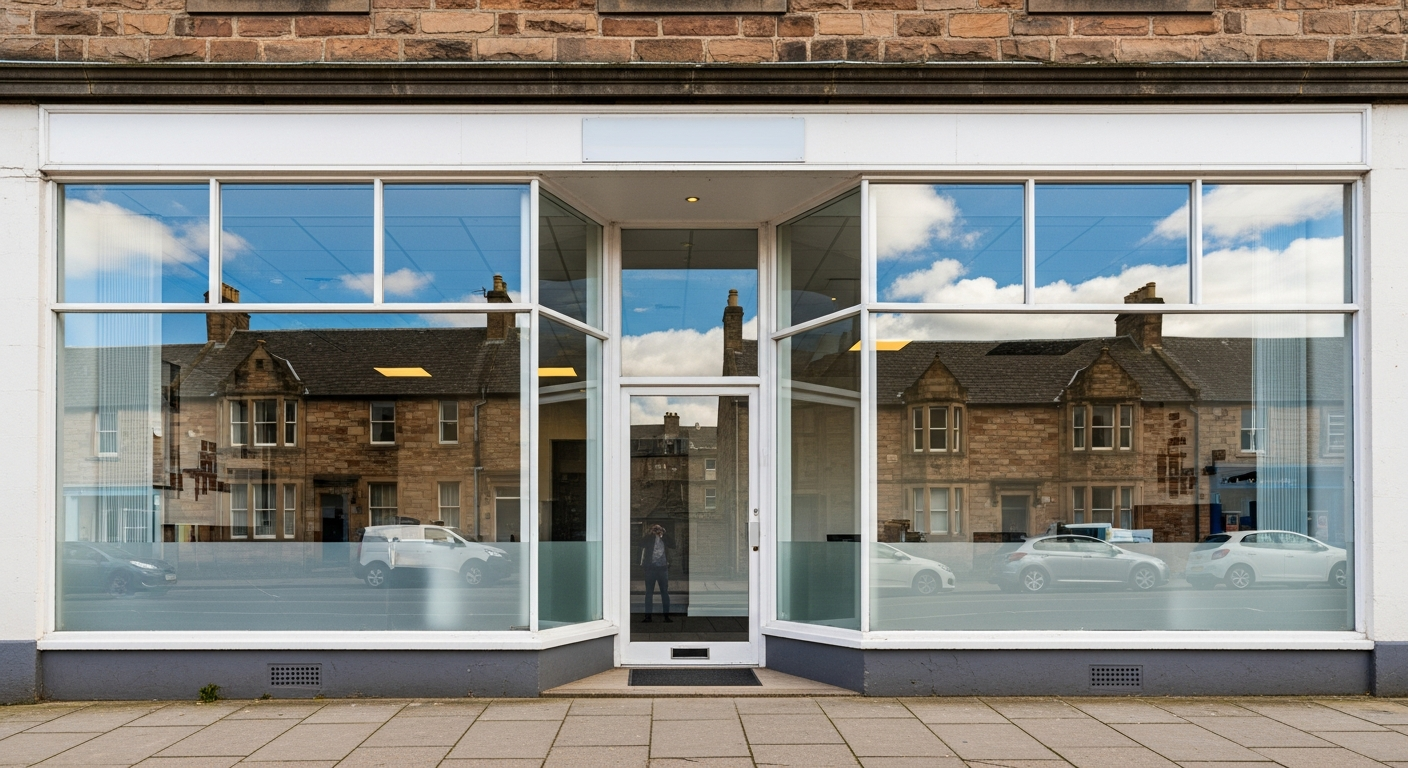
Spotlessly clean and welcoming care home communal lounge in the Scottish Highlands with comfortable seating and natural light
Workplace29 June 2026

Infection Control in Highland Care Homes: A Practical Cleaning Guide

Care homes look after some of the most vulnerable people in our communities, which makes cleaning and infection control a matter of health and safety, not just appearance. Here is what good practice looks like in a Highland care setting.

8 min readRead full article

Across the Highlands, care homes and supported living settings provide vital support to older people and vulnerable adults, from Inverness and Nairn to smaller communities around Forres, Elgin, and Huntly. In these environments, cleaning is never simply about looking tidy. It is a frontline defence against infection, protecting residents whose health can be seriously affected by germs that most of us would shrug off.

Getting cleaning and infection control right in a care home takes knowledge, consistency, and the right products. This guide explains why standards must be so high, where the greatest risks lie, and how a professional, methodical approach keeps residents, staff, and visitors safe all year round.

Why Infection Control Matters So Much

Care home residents are often older, may have underlying health conditions, and frequently have weaker immune systems. This makes them far more susceptible to infections, and means that illnesses which would be mild for a younger person can become serious or even life threatening. Communal living, shared spaces, and close contact with carers all increase the ways infection can spread.

Effective cleaning dramatically reduces the presence of bacteria and viruses on surfaces, cutting the risk of outbreaks of norovirus, flu, and other common infections. In a care setting, a high standard of hygiene is one of the most important things that protects residents' wellbeing and dignity.

Understanding High Touch and High Risk Areas

Not all surfaces carry the same risk. Effective infection control focuses attention where it is needed most. High touch points are touched by many people throughout the day and need frequent cleaning and disinfection, including:

Door handles, push plates, and grab rails

Light switches and call bell buttons

Handrails along corridors and stairs

Shared remote controls, telephones, and table tops

Bathroom taps, flush handles, and toilet seats

High risk areas such as bathrooms, wet rooms, kitchens, and laundries need particularly careful, thorough cleaning because of the nature of what happens there and the potential for germs to spread.

The Difference Between Cleaning and Disinfecting

One of the most important principles in care home hygiene is understanding that cleaning and disinfecting are two different things. Cleaning removes dirt, dust, and many germs using detergent and water, and is an essential first step. Disinfecting then uses chemical products to kill the germs that remain on a surface.

For infection control to work, surfaces usually need to be cleaned first and then disinfected, because disinfectant cannot work properly on a dirty surface. A professional cleaning team understands this sequence, uses the correct contact times for each product, and follows colour coded systems to avoid cross contamination between, for example, bathrooms and kitchens.

Colour Coding to Prevent Cross Contamination

A nationally recognised colour coding system is widely used across care and healthcare settings to prevent germs being transferred from one area to another. Different coloured cloths and equipment are assigned to different zones, such as one colour for bathrooms and another for kitchens, so that a cloth used in a toilet area never ends up wiping a dining table. Maintaining this discipline consistently is a hallmark of a properly trained cleaning team.

Managing Outbreaks

Despite the best precautions, outbreaks of infections such as norovirus can still occur, particularly during the winter months. When they do, cleaning must step up immediately, with enhanced disinfection of affected areas, more frequent attention to high touch points, and careful handling of laundry and waste. Having a reliable cleaning partner who can respond quickly and follow the correct procedures is invaluable when an outbreak strikes.

Protecting Dignity and Comfort

Good cleaning in a care home is about more than killing germs. Residents deserve to live in a space that feels fresh, comfortable, and homely rather than clinical. The best cleaning balances rigorous hygiene with respect for residents' homes and routines, working considerately around them and treating their space with care.

Eco-Friendly Cleaning for Sensitive Residents

Older residents and those with respiratory conditions can be particularly sensitive to harsh chemical fumes. Eco-friendly, plant based cleaning products provide effective hygiene without the strong odours and irritation that can come with traditional cleaning chemicals. At Kleana Space, our plant based products deliver the high standard of cleanliness a care setting demands while keeping the environment gentle and comfortable for residents.

How Kleana Space Can Help

Kleana Space provides specialist, reliable cleaning for care homes and supported living settings across Inverness, Nairn, Forres, Elgin, Huntly, and the wider Scottish Highlands. Our trained teams understand infection control, follow colour coded systems, and use eco-friendly products to keep residents safe and comfortable.

If you manage a care home and want a cleaning partner who takes hygiene as seriously as you do, we would be glad to help. Call us on 01463 212200 or email info@kleanaspace.com to arrange a free, no obligation consultation.

Need professional cleaning services?

Kleana Space provides commercial cleaning throughout the Highlands, Moray and Aberdeen.

Request a Quote
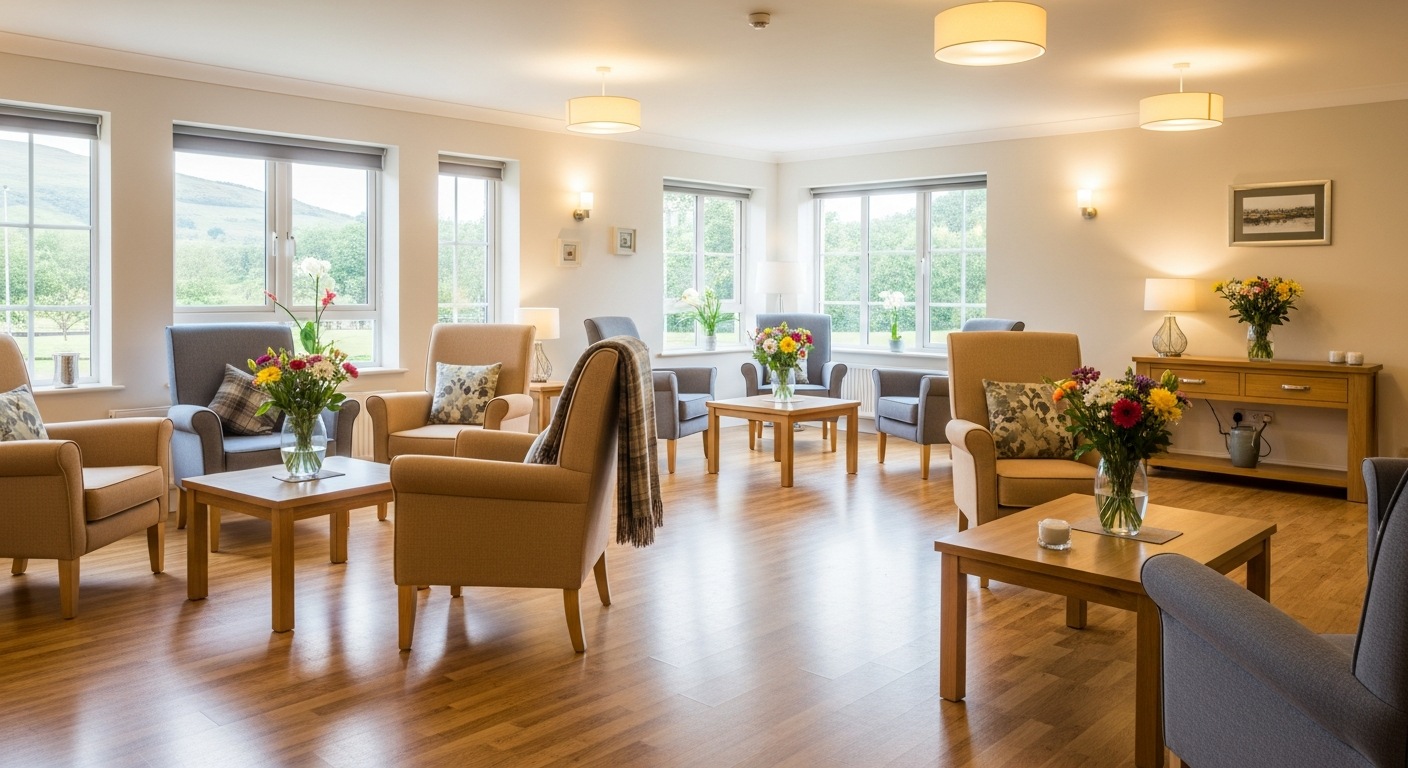
Spotlessly clean Highland airport terminal with polished floor, tidy passenger seating, and an aircraft visible through large windows
Workplace22 June 2026

Airports and Transport Cleaning: Keeping Highland Journeys Safe and Welcoming

From airport terminals to passenger waiting areas and transport offices, cleanliness shapes every journey. Learn how Highland transport facilities can protect passengers, staff, and their reputation during the busy summer season.

8 min readRead full article

The Highlands depend on reliable transport. Inverness Airport connects the region with cities across the UK and Europe, while bus stations, depots, ferry links, vehicle fleets, and passenger waiting areas help residents and visitors travel between communities. During the summer season, these facilities become especially busy as holidaymakers arrive to explore the north of Scotland.

Every journey begins and ends in a shared space. Clean terminals, vehicles, toilets, and waiting areas help passengers feel confident, support staff wellbeing, and create a positive first impression of the region. This guide explains the particular demands of transport cleaning and how operators can maintain high standards while services continue to run.

Why Transport Cleaning Requires a Specialist Plan

Transport facilities combine heavy footfall, long operating hours, changing passenger numbers, luggage movement, outdoor dirt, and strict security arrangements. Cleaning cannot simply happen once at the end of the day. It must respond to flight and service schedules, weather, unexpected delays, and busy arrival periods.

A useful cleaning plan identifies the areas with the highest passenger contact, the times when each zone can be accessed safely, and the standard required before the next service begins. It should also define how spills, illness, and other urgent incidents will be handled.

First Impressions of the Highlands

For many visitors, an airport terminal or transport station is the first indoor space they experience in the Highlands. Clean windows, tidy seating, fresh toilets, and well maintained floors create a warm welcome after a long journey. Dirty facilities or overflowing bins can shape a visitor's opinion before their holiday has even begun.

The same applies to residents and regular commuters. Consistent cleanliness shows that passengers are valued and that the operator takes pride in the service it provides.

Focus on High Touch Surfaces

Transport hubs contain many surfaces used by hundreds of people each day:

Door handles, handrails, lift buttons, and ticket machine screens

Check in desks, payment terminals, and self service kiosks

Seating arms, tables, charging points, and luggage trolley handles

Toilet locks, flush controls, taps, and baby changing facilities

Vehicle grab rails, stop buttons, seat backs, and overhead storage areas

These surfaces need regular sanitising throughout operating hours, with frequencies increased during busy periods or outbreaks of seasonal illness.

Toilets and Washroom Standards

Passenger toilets are often the area people remember most clearly. High footfall means they need inspection and cleaning several times a day rather than a single daily visit. Floors, sanitary fittings, touch points, mirrors, and baby changing areas all need attention, while soap, paper, and toilet roll must remain fully stocked.

Cleaning records provide a simple way to show when facilities were checked and help managers identify periods when more frequent visits are required.

Floors, Entrances, and Highland Weather

Rain, mud, grit, and winter salt enter transport buildings on footwear and luggage wheels. Effective entrance matting captures much of this soil, but floors still need frequent cleaning to remain presentable and safe. Wet entrances should be monitored closely because slips are a serious risk when large groups arrive at once.

Different floor surfaces require different care. Safety flooring, polished stone, carpet, and vehicle flooring each need suitable products and machinery. Planned periodic deep cleaning extends their life and prevents busy walkways becoming permanently dull.

Cleaning Around Live Operations

Transport cleaning must be carefully coordinated. Cleaners may work around passengers, security controls, moving vehicles, and restricted areas, so induction and clear communication are essential. Equipment should never block escape routes or passenger flows, and wet floor areas must be controlled and clearly marked.

The most disruptive work can be scheduled between services or during quieter hours. Day teams can then focus on touch points, spills, toilets, and visible presentation while passengers are present.

Responding to Spills and Illness

A dropped drink is a slip risk, while vomit, blood, or other bodily fluids require a controlled hygiene response. Staff should know how to isolate the area, contact the appropriate trained person, and keep passengers away until cleaning and disinfection are complete. The correct protective equipment and specialist cleaning materials should be readily available.

An incident procedure protects cleaners and passengers alike and prevents hurried decisions in a busy public area.

Vehicles, Offices, and Staff Areas

A complete transport cleaning plan extends beyond passenger spaces. Driver cabs, staff rooms, control offices, welfare areas, and fleet vehicles all need regular care. Clean shared controls and comfortable welfare facilities help protect the people responsible for keeping services running.

Eco-Friendly Transport Cleaning

Efficient equipment, controlled product dosing, reusable microfibre systems, and plant based cleaning solutions can reduce waste and chemical use without lowering standards. At Kleana Space, we match the method to each surface and task, helping transport operators provide hygienic facilities while caring for the Highland environment passengers have come to enjoy.

How Kleana Space Can Help

Kleana Space provides professional cleaning for airport facilities, passenger waiting areas, transport offices, depots, staff welfare spaces, and vehicle fleets across Inverness, Nairn, Forres, Elgin, Huntly, and the wider Scottish Highlands. Our trained teams work around operating schedules and maintain safe, welcoming spaces for passengers and staff.

If you manage a transport facility and want reliable cleaning that works around your services, we would be glad to help. Call us on 01463 212200 or email info@kleanaspace.com to arrange a free, no obligation quote.

Need professional cleaning services?

Kleana Space provides commercial cleaning throughout the Highlands, Moray and Aberdeen.

Request a Quote
Spotlessly clean empty Scottish primary school classroom during the summer holidays, ready for the new term
Seasonal Tips15 June 2026

Summer Holidays: The Perfect Time to Deep Clean Your Highland School or Nursery

As the Scottish school year draws to a close, the summer break offers a rare window to give classrooms, nurseries, and education premises the thorough deep clean they cannot get during term time. Here is how to make the most of it.

8 min readRead full article

For schools and nurseries across the Highlands, the summer holidays are about far more than a well earned rest. With pupils away and buildings quiet for several weeks, the break provides the single best opportunity of the year to carry out the deep cleaning and maintenance that simply cannot happen during a busy term. From classrooms in Inverness to rural nurseries across Nairn, Forres, Elgin, and Huntly, a well planned summer clean sets the whole school year up for success.

Scottish schools typically break up at the end of June, giving roughly six to seven weeks before the new term begins in mid August. That window closes quickly, so planning your summer deep clean early is essential. This guide explains why it matters, what it should cover, and how to get the timing right.

Why Term Time Cleaning Is Not Enough

During term, cleaning teams do an excellent job of keeping schools safe and presentable, but they are working around hundreds of pupils, packed timetables, and constant use of every space. Daily cleaning focuses on the essentials: emptying bins, sanitising toilets, wiping high touch surfaces, and keeping floors safe.

What daily cleaning cannot tackle is the deeper build up that accumulates over a full academic year. Carpets become ground in with dirt, high level surfaces gather dust, soft furnishings hold allergens, and areas that are always in use never get the attention they need. The summer break is the moment to reset all of this properly.

The Health Case for a Summer Deep Clean

Schools and nurseries are among the most germ intensive environments anywhere. Young children, shared resources, and close contact mean illnesses spread rapidly once term begins. A thorough summer deep clean significantly reduces the bacterial and viral load carried over from the previous year, giving everyone a healthier start.

This matters for attendance and learning. Fewer bugs circulating in the early weeks of term means fewer absences among both pupils and staff. For nurseries in particular, where the youngest children are most vulnerable to infection, a deep clean is an important part of safeguarding their wellbeing.

What a School Summer Deep Clean Should Cover

A comprehensive summer clean goes well beyond the daily routine. The key areas include:

Classrooms. Deep cleaning of desks, chairs, and storage, washing down walls and skirting boards, cleaning light fittings and high level surfaces, and thoroughly cleaning carpets or hard floors. Resources, trays, and shared equipment should be sanitised before storage.

Toilets and washrooms. A full deep clean and sanitisation of all sanitary ware, tiles, grout, partitions, and floors, going far beyond what is possible during term.

Dining halls and kitchens. Deep cleaning of canteen areas, including behind and beneath equipment, descaling, degreasing, and sanitising all food preparation surfaces ready for the new term and any inspections.

Soft furnishings and carpets. Professional hot water extraction lifts a year of embedded dirt from carpets and upholstery, removing allergens and refreshing tired flooring in libraries, reading corners, and nursery play areas.

Halls and shared spaces. Stripping, cleaning, and resealing hard floors in gym halls and assembly spaces, which take heavy wear throughout the year.

Windows and high level cleaning. Internal and external window cleaning, plus dust removal from ceiling fixtures, vents, and other high level areas that are impossible to reach safely when pupils are present.

Nurseries Need Particular Care

Early years settings have their own specific requirements. Toys, soft play equipment, mats, and resources all need thorough sanitising, as young children explore the world through touch and frequently put items in their mouths. A summer deep clean is the ideal time to deep clean and disinfect every piece of equipment, refresh soft furnishings, and ensure the setting meets the high hygiene standards expected by the Care Inspectorate.

Planning the Timing

Because the holiday window is short and many schools want their cleaning done at the same time, demand for professional deep cleaning peaks sharply in July. To secure your preferred dates:

Plan and book your summer deep clean well before the term ends

Share a clear scope of work so nothing is missed

Coordinate cleaning around any maintenance, decorating, or building work happening over the holidays

Allow enough time for floors to be stripped, sealed, and fully dried before staff return

Schedule the final touches close to the start of term so the school is pristine on day one

Eco Friendly Cleaning for a Healthier Environment

Children are more sensitive than adults to harsh chemicals, which makes eco friendly cleaning especially important in schools and nurseries. Plant based, biodegradable products clean and sanitise effectively without leaving behind aggressive chemical residues or strong fumes. At Kleana Space, every product we use is plant based and safe for children, staff, and pets, while still meeting the rigorous hygiene standards that education settings demand.

Using microfibre technology and water efficient methods also reduces the environmental impact of the clean, supporting the sustainability values that many Highland schools are now embedding across their operations.

How Kleana Space Can Help

Kleana Space provides professional summer deep cleaning for schools, nurseries, and education premises across Inverness, Nairn, Forres, Elgin, Huntly, and the wider Scottish Highlands. We work around your holiday schedule and any maintenance work to deliver a thorough, eco friendly clean that gives pupils and staff a fresh, healthy start to the new term.

Summer dates fill up fast, so do not leave it too late. Call us on 01463 212200 or email info@kleanaspace.com to arrange a free, no obligation quote for your school or nursery deep clean.

Need professional cleaning services?

Kleana Space provides commercial cleaning throughout the Highlands, Moray and Aberdeen.

Request a Quote
Professional commercial cleaner and a Highland business owner shaking hands in a clean modern Inverness office
Workplace8 June 2026

How to Choose the Right Commercial Cleaning Company in the Highlands: A Buyer's Guide

Hiring a commercial cleaning provider is one of the most important decisions a Highland business can make for its premises, staff, and reputation. This practical guide explains exactly what to look for, the questions to ask, and the warning signs to avoid.

8 min readRead full article

Choosing a commercial cleaning company sounds simple, yet it is one of the decisions Highland businesses most often get wrong. Pick the right partner and your premises stay healthy, your staff stay productive, and your customers form a strong first impression. Pick the wrong one and you face inconsistent standards, awkward contracts, and the disruption of switching providers a few months later.

Whether you run an office in Inverness, a shop in Nairn, a school in Forres, a surgery in Elgin, or a hotel in Huntly, this guide will help you choose a commercial cleaning provider with confidence. We have set out the key factors to weigh up, the questions worth asking, and the red flags that should give you pause.

Start by Defining What You Actually Need

Before you contact any cleaning company, take time to understand your own requirements. The clearer your brief, the more accurate the quotes you receive and the easier it is to compare providers fairly. Consider:

The size and layout of your premises, including any specialist areas

How often each area needs cleaning, from daily to weekly or monthly

The times cleaning can take place, whether during or outside working hours

Any sector specific standards you must meet, such as healthcare or food hygiene

Additional services you may need, such as carpet cleaning, window cleaning, or a periodic deep clean

A good cleaning company will help you refine this brief, but arriving with a clear picture puts you in a much stronger position.

Check Their Experience and Local Knowledge

Commercial cleaning is not one size fits all. Cleaning a busy restaurant kitchen is very different from maintaining a quiet professional office or meeting the infection control standards of a healthcare setting. Ask whether the company has genuine experience in your sector and request examples or references from similar local clients.

Local knowledge matters too. A Highland based provider understands the practical realities of the region, from the mud and grit that winter brings indoors to the seasonal demands of the tourism trade. They can also respond quickly when you need them, rather than travelling long distances to reach you.

Insurance, Accreditation, and Compliance

This is an area where it pays to be thorough. Any reputable commercial cleaning company should hold adequate public liability insurance and be able to provide evidence of it on request. For many sectors you should also look for:

Clear health and safety policies and proper risk assessments

Trained staff who understand safe use of cleaning products and equipment

Compliance with relevant standards for your industry

Proper procedures for handling keys, alarm codes, and building access securely

If a provider is vague about insurance or cannot supply documentation, treat that as a serious warning sign.

Ask About Staff Training and Vetting

The people who clean your premises will often be there when your own team is not, sometimes with access to sensitive areas. It is entirely reasonable to ask how staff are recruited, vetted, and trained. Look for a company that invests in its people, provides proper training, and treats its cleaners fairly. Well treated, well trained staff deliver more consistent results and stay longer, which means more continuity for you.

Understand How Quality Is Managed

Standards can slip over time with any service, so ask how the company maintains quality once the contract is underway. Strong providers will have systems such as:

Regular supervisor checks and documented quality audits

Clear cleaning specifications so everyone knows exactly what is expected

A named point of contact for any issues or requests

A straightforward process for raising and resolving concerns quickly

The answer to how do you make sure standards stay high tells you a great deal about how a company operates.

Sustainability and Eco Friendly Practices

Environmental responsibility is no longer a nice extra. More Highland businesses, particularly those in tourism, education, and the public sector, now need their suppliers to demonstrate genuine green credentials. Ask whether the company uses plant based, biodegradable products, reduces single use plastic, and uses water efficient methods such as microfibre technology.

Choosing an eco friendly provider protects the stunning Highland environment we all share, improves indoor air quality for your staff and customers, and supports your own sustainability reporting. At Kleana Space, every product we use is plant based and safe for people, pets, and the environment.

Get a Clear, Transparent Quote

A trustworthy cleaning company will visit your premises before quoting, rather than offering a price blind. The quote should clearly set out what is included, how often each task is carried out, and what counts as an extra. Be cautious of:

Prices that seem far lower than everyone else, which often signals corners being cut

Vague quotes that do not specify exactly what is covered

Long, inflexible contracts with heavy penalties for leaving

Pressure to sign quickly without time to consider

The cheapest option rarely represents the best value. Focus on the quality and reliability you receive for the price.

Questions Worth Asking Before You Sign

To make your decision easier, here are some practical questions to put to any prospective cleaning provider:

Do you have experience with businesses like mine, and can you provide local references?

Can you show evidence of your public liability insurance?

How do you train and vet your cleaning staff?

How do you monitor and maintain cleaning standards over time?

What eco friendly products and methods do you use?

What is included in the price, and what would count as an additional cost?

How flexible is the contract if my needs change?

Who will be my main point of contact?

Red Flags to Watch For

Finally, trust your instincts. Be wary of any provider who is reluctant to visit your premises, cannot provide insurance details, offers a price that seems too good to be true, uses high pressure sales tactics, or struggles to answer straightforward questions about their staff and standards. A professional company will welcome your questions and answer them openly.

How Kleana Space Can Help

Kleana Space is a Highland based commercial cleaning company serving businesses across Inverness, Nairn, Forres, Elgin, Huntly, and the wider Scottish Highlands. We provide fully insured, professionally trained teams, transparent pricing, robust quality management, and genuinely eco friendly cleaning across offices, retail, schools, healthcare, hospitality, and more.

If you are reviewing your current arrangements or setting up cleaning for new premises, we would be glad to visit, understand your needs, and provide a clear, no obligation quote. Call us on 01463 212200 or email info@kleanaspace.com to start the conversation.

Need professional cleaning services?

Kleana Space provides commercial cleaning throughout the Highlands, Moray and Aberdeen.

Request a Quote
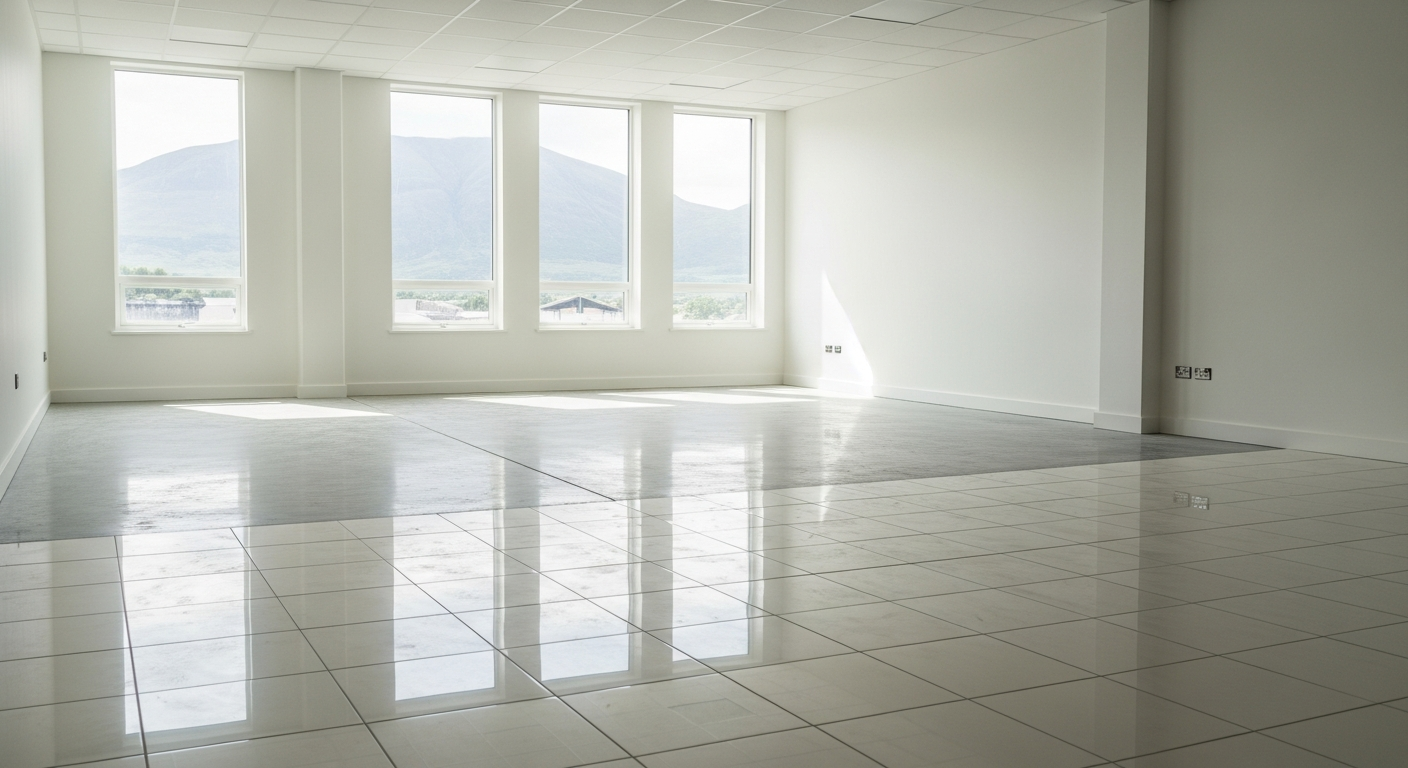
Spotless newly completed commercial interior in the Scottish Highlands after a professional builders clean, free of construction dust and debris
Workplace1 June 2026

What Is a Builders Clean? A Complete Guide for Highland Construction and Renovation Projects

From new build offices in Inverness to barn conversions across the Highlands, every construction and renovation project ends with one crucial final stage: the builders clean. Here is everything you need to know to get it right.

8 min readRead full article

The Highlands are in the middle of a sustained building boom. New housing developments around Inverness, commercial units along the A9 corridor, hotel refurbishments serving the tourism trade, and countless renovations and barn conversions across Nairn, Forres, Elgin, and Huntly are all reshaping the region. Yet one stage of every single one of these projects is consistently underestimated: the builders clean.

Whether you are a main contractor handing over a new commercial unit, a developer preparing show homes, or a business owner moving into a freshly fitted out premises, the quality of the final clean determines the first impression. This guide explains exactly what a builders clean involves, the different stages, why it matters, and how to plan for it.

What Is a Builders Clean?

A builders clean, sometimes called a post construction clean or sparkle clean, is the specialist deep cleaning carried out after construction or renovation work is complete. Its purpose is to remove all traces of the building process, including plaster dust, paint splashes, adhesive residue, sealant smears, sawdust, and general debris, leaving the space safe, hygienic, and ready for handover or occupation.

This is very different from routine commercial cleaning. Construction generates fine dust that settles into every crevice, on every surface, and inside ventilation systems. It requires specialist equipment, the right products, and an experienced team who understand how to clean newly finished surfaces without damaging them.

The Three Stages of a Builders Clean

Professional post construction cleaning is usually delivered in distinct phases that align with the construction programme:

Stage one: the rough clean. This takes place once the main construction work is finished but before final fittings are installed. It involves removing large debris, sweeping, and clearing waste so that other trades can complete their work safely. This stage is about access and safety rather than final presentation.

Stage two: the main builders clean. This is the detailed clean once all trades have left. It tackles plaster dust on every surface, cleans windows and frames, removes paint and adhesive residue, wipes down skirting boards, doors, and switches, and cleans floors thoroughly. This is the most labour intensive stage.

Stage three: the final clean, or sparkle clean. Carried out immediately before handover, this stage brings everything up to showroom standard. Windows are polished, glass and mirrors are buffed, fixtures and fittings gleam, and any dust that has resettled is removed. The result is a space that looks immaculate for the client, buyer, or incoming tenant.

Why Plaster Dust Is the Real Challenge

Anyone who has been on a building site knows that construction dust is unlike ordinary household dust. Plaster and gypsum dust is extremely fine, travels easily, and resettles repeatedly after cleaning. It can take several passes to fully remove, which is why a builders clean cannot be rushed.

Left behind, this dust causes real problems. It can:

Clog ventilation and air conditioning systems, reducing efficiency and air quality

Scratch newly laid floors and worktops if not lifted correctly

Trigger respiratory irritation for the people moving into the space

Settle on surfaces for weeks after occupation, creating a poor first impression

Professional teams use HEPA filtered vacuums, microfibre systems, and the correct sequence of cleaning to capture and remove this dust properly rather than simply moving it around.

What a Thorough Builders Clean Should Cover

A complete post construction clean should leave nothing untouched. The key areas include:

Windows and glazing. Removing paint flecks, plaster splashes, and stickers from glass, then cleaning and polishing frames, sills, and tracks inside and out.

Floors. Removing protective coverings, vacuuming up fine dust, then washing, buffing, or polishing according to the floor type, whether that is vinyl, tile, polished concrete, timber, or natural stone.

Walls, skirting, and doors. Wiping down all surfaces to remove dust and marks, cleaning door frames, handles, and switches, and removing any adhesive or paint residue.

Kitchens and washrooms. Deep cleaning and sanitising newly installed units, worktops, sinks, taps, sanitary ware, tiles, and grout, plus removing any protective films and stickers.

High level and detail areas. Cleaning light fittings, vents, extractor grilles, ceiling fixtures, and the tops of doors and frames where dust accumulates.

Final waste removal. Clearing any remaining packaging, off cuts, and protective materials so the space is genuinely ready to use.

Health, Safety, and Compliance

A builders clean is not only about appearance. It is an important part of safe handover. Construction dust can contain harmful particles, and a proper clean protects the health of the people who will use the building. For commercial premises in regulated sectors such as healthcare, food service, and education, a documented professional clean also supports compliance with hygiene and safety standards.

Reputable cleaning providers carry the appropriate insurance, follow site safety requirements, and can work around your construction programme, including out of hours where needed to meet handover deadlines.

Planning Your Builders Clean: Practical Tips

To get the best result and avoid costly delays at handover, keep these points in mind:

Book your cleaning provider early and share the construction programme so they can plan each stage

Allow realistic time for the clean, as rushing a dust heavy space leads to poor results

Make sure all trades have genuinely finished before the final clean, since further work will recontaminate the space

Confirm whether external windows, high level areas, and floor sealing are included in the quote

Choose a provider experienced specifically in post construction cleaning, not just routine office cleaning

Eco Friendly Builders Cleaning

Construction is already a resource intensive process, so the final clean is an opportunity to reduce environmental impact rather than add to it. At Kleana Space, our builders cleans use plant based, biodegradable products and water efficient microfibre methods wherever possible. This protects the Highland environment, improves indoor air quality for the people moving in, and supports the sustainability credentials that more developers and businesses now require.

How Kleana Space Can Help

Kleana Space provides professional builders cleans and sparkle cleans for construction firms, developers, landlords, and businesses across Inverness, Nairn, Forres, Elgin, Huntly, and the wider Scottish Highlands. We handle everything from single unit fit outs to large commercial developments, working around your programme to deliver a flawless space ready for handover.

If you have a project approaching completion and want a reliable, experienced team to handle the final clean, get in touch on 01463 212200 or email info@kleanaspace.com for a free, no obligation quote.

Need professional cleaning services?

Kleana Space provides commercial cleaning throughout the Highlands, Moray and Aberdeen.

Request a Quote

Spotlessly clean Highland hotel lobby in Inverness, Scotland ready to welcome peak season tourists with views of a Scottish loch
Seasonal Tips26 May 2026

Preparing Your Highland Hospitality Business for Peak Tourist Season: A Cleaning Guide for 2026

With NC500 traffic, cruise visitors, and summer events all converging on the Highlands from June onwards, now is the time to get your hotel, restaurant, B&B, or visitor attraction cleaning standards ready for the busiest months of the year.

9 min readRead full article

Every spring, the Scottish Highlands shift gear. From late May through to early autumn, visitor numbers across Inverness, Loch Ness, the Cairngorms, and the North Coast 500 route climb steeply. According to VisitScotland, tourism contributes more than £1.5 billion annually to the Highland economy, and the months between June and September now account for the majority of that spend.

For hospitality operators, the peak season is both a huge opportunity and a serious operational challenge. Higher footfall, longer opening hours, and increasingly review savvy guests all place pressure on cleaning standards. A single negative review mentioning a dusty room, a smudged window, or a grubby bathroom can sit at the top of your Google or TripAdvisor profile for months. This guide walks Highland hospitality businesses through how to prepare their premises so that cleanliness becomes a competitive advantage rather than a complaint risk.

Why Cleaning Standards Matter More in Peak Season

Recent research from ReviewPro and TrustYou consistently shows that cleanliness is the single biggest driver of guest satisfaction scores across UK accommodation. It outranks breakfast quality, Wi-Fi, and even staff friendliness. For visitor attractions, cafés, and restaurants, hygiene perception directly influences whether guests return, recommend you, or leave a glowing five star review.

In the Highlands the stakes are particularly high for three reasons:

International visitors, especially from North America and Europe, set their expectations against premium global standards

Many Highland businesses rely on a short, intense season to generate the bulk of their annual revenue

Online reviews carry disproportionate weight for destination businesses where guests have no local word of mouth to fall back on

Getting your cleaning right before the season starts is far cheaper than trying to fix a reputation halfway through it.

A Pre Season Deep Clean: What to Cover

A thorough pre season deep clean should go well beyond your normal daily housekeeping. It is the moment to reset every surface, fabric, and fixture so your premises start the busy months in their best possible condition. The areas that benefit most include:

Guest bedrooms and bathrooms. Strip and deep clean every room, including mattresses, headboards, behind furniture, skirting boards, light fittings, and ventilation grilles. Descale showers, taps, and kettles. Replace any tired sealant around baths and basins. Check and clean curtains, blinds, and lampshades that often go untouched during routine turnovers.

Soft furnishings and carpets. Highland winters bring damp, mud, and salt indoors. Professional hot water extraction on carpets and upholstery removes embedded grit, lifts colours, and eliminates lingering odours. For hotels and B&Bs, this is also the right time to refresh mattress protectors and treat any soft surfaces for dust mites.

Kitchens and food preparation areas. Commercial kitchens need a full deep clean before peak season, including extraction canopies, filters, ovens, fryers, fridges, freezers, and behind heavy equipment. Environmental Health inspections increase during the busy months, and a documented deep clean provides a strong audit trail.

Front of house and public areas. Reception desks, lobbies, lounges, bars, and dining rooms are the first thing guests see. Polish hard floors, deep clean rugs, clean light fittings, dust high level surfaces, and refresh tired touchpoints such as door handles, banisters, and lift buttons.

Toilets and washrooms. Public toilets receive heavy use in peak season and are one of the most commonly cited complaints in negative reviews. A deep clean of grout, tiles, cubicles, and fixtures, combined with a more frequent service schedule during busy weeks, pays off quickly.

External areas. Pressure wash patios, decking, entrance steps, and car park surfaces to remove winter moss, algae, and ground in dirt. Clean external windows, signage, and outdoor furniture so guests arrive to a smart first impression.

Building a Peak Season Cleaning Schedule That Flexes With Demand

Once your deep clean is complete, the next priority is a daily and weekly cleaning schedule that can scale with the peaks of the season. Highland hospitality demand is rarely flat. Bank holidays, cruise ship arrivals in Invergordon, large weddings, Highland Games weekends, and major events at venues such as Eden Court or Bught Park all create spikes that need careful planning.

An effective peak season schedule should include:

A predictable daily housekeeping routine for guest rooms and core public areas

Increased frequency cleaning for toilets, kitchens, and high touch surfaces during busy periods

A weekly rolling programme that covers detail tasks such as glass polishing, skirting boards, and ventilation grilles

Contingency capacity to bring in additional cleaning support during peak weekends and events

Clear daily checklists, signed off by a supervisor, so standards never slip when teams are under pressure

Sharing your booking forecast or events calendar with your cleaning provider allows them to plan resources in advance and avoid bottlenecks.

Cleaning for Allergens and Air Quality

Summer in the Highlands brings significant pollen, plus the famous midge. While no cleaning regime can eliminate either, regular dust removal, HEPA filtered vacuuming, and clean ventilation systems significantly reduce indoor allergens and improve guest comfort. For premises with conservatories, large window areas, or lots of soft furnishings, this is particularly important.

Clean, well maintained air conditioning and ventilation also makes a real difference to guest sleep quality during warm spells, which directly influences reviews and repeat bookings.

Eco Friendly Cleaning as a Visitor Expectation

Highland tourism markets itself around natural beauty, sustainability, and the outdoors. Increasingly, visitors expect the businesses they stay with to reflect those same values. VisitScotland research shows that more than 80% of visitors say sustainability influences their choice of accommodation, with younger travellers placing the highest weight on it.

Choosing a cleaning provider that uses plant based, biodegradable products, microfibre technology, and reduced single use plastic is no longer a niche choice. It is a credible, evidence based way to support your green tourism credentials and reassure guests that your operation genuinely lives up to its marketing. At Kleana Space, every product we use across our hospitality clients is plant based and safe for guests, staff, and the surrounding environment.

Training Your In House Team

Even with an excellent external cleaning provider, your in house staff still carry day to day responsibility for maintaining standards between professional cleans. A short pre season training session for housekeeping, front of house, and kitchen teams pays back many times over. Cover the basics:

Correct dilution and use of cleaning products

Colour coded cloth systems to prevent cross contamination

Spot cleaning techniques for spills on carpets and upholstery

The correct order for cleaning a room or area to avoid recontaminating surfaces

How to escalate maintenance issues such as broken seals, mould, or persistent stains before they become bigger problems

A Simple Pre Season Checklist

If you only do five things before the season starts, make them these:

Book a full pre season deep clean for all guest, food, and public areas

Schedule professional carpet and upholstery cleaning

Service and deep clean your kitchen extraction system

Pressure wash external surfaces and clean external glazing

Agree a flexible peak season cleaning schedule with your provider that can scale with demand

Done early, these five steps will transform how your premises look, smell, and perform throughout the busiest months of the year.

How Kleana Space Supports Highland Hospitality

Kleana Space works with hotels, guest houses, restaurants, cafés, visitor attractions, and self catering operators across Inverness, Nairn, Forres, Elgin, Huntly, and the wider Scottish Highlands. We provide pre season deep cleans, flexible peak season schedules, and ongoing daily housekeeping support, all delivered with plant based, eco friendly products that align with the values of modern Highland tourism.

If you would like a free, no obligation review of your cleaning arrangements ahead of the 2026 peak season, get in touch with our team on 01463 212200 or email info@kleanaspace.com. We will help you start the season in the strongest possible position.

Need professional cleaning services?

Kleana Space provides commercial cleaning throughout the Highlands, Moray and Aberdeen.

Request a Quote
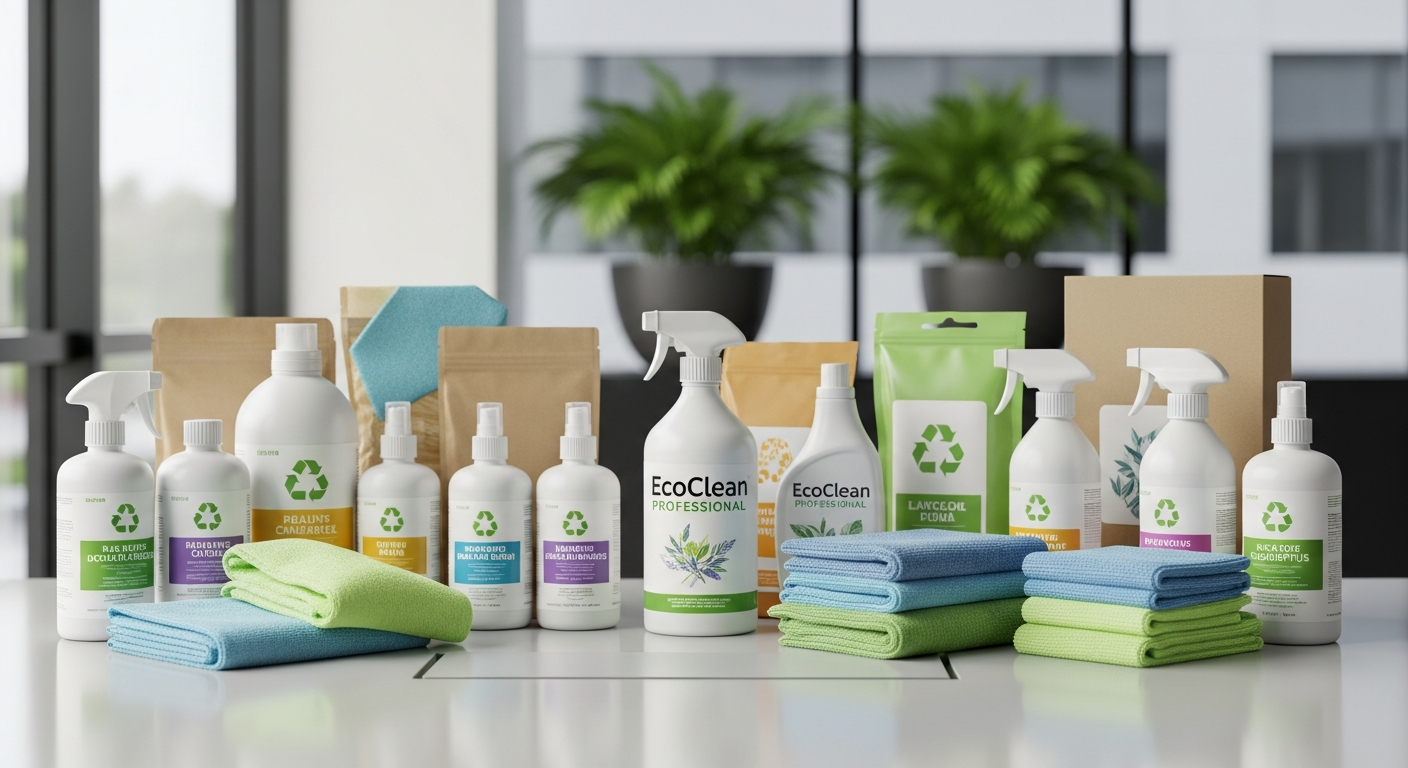
Eco-friendly green cleaning products arranged on a modern office desk
Sustainability15 January 2026

Why Green Cleaning Is Now the Standard for Scottish Businesses

With over 87% of UK cleaning professionals confirming the importance of sustainability, eco-friendly cleaning has moved from a nice-to-have to a business essential across Scotland.

6 min readRead full article

The commercial cleaning landscape in Scotland is undergoing a significant transformation. What was once considered a premium add-on — eco-friendly cleaning — has rapidly become the expected standard for businesses across the Highlands and beyond. According to the latest industry research from the British Cleaning Council, over 87% of cleaning professionals now confirm that sustainability is critical to their operations.

The Shift in Scottish Business Expectations

Scottish businesses, particularly those in the public sector, are increasingly requiring their cleaning contractors to demonstrate strong environmental credentials. Public sector procurement policies in Scotland now specifically favour eco-certified products, creating a clear advantage for cleaning companies that have already made the switch to greener practices.

At Kleana Space, we recognised this shift early on. Our entire range of cleaning products is plant-based and biodegradable, ensuring that every office, school, and retail space we clean benefits from reduced chemical exposure without compromising on hygiene standards.

What Does Green Cleaning Actually Mean?

Green cleaning goes well beyond simply swapping one bottle of spray for another. It encompasses the entire cleaning process, from the products used to the methods employed and even the packaging and supply chain behind them. Here is what modern green cleaning looks like in practice:

Plant-based enzyme cleaners have replaced harsh chemical formulations. These cleaners use natural surfactants that break down effectively in the environment, protecting local waterways — something particularly important in the Highlands, where our rivers and lochs are among Scotland's greatest natural assets.

Microfibre technology has dramatically reduced water consumption in commercial cleaning. Modern microfibre cloths and mops can cut water usage by up to 90% compared to traditional methods, whilst delivering superior cleaning results.

Concentrated refill systems are eliminating single-use plastic from cleaning operations. One small refill pod mixed with water creates an entire bottle of cleaning solution, significantly cutting plastic waste across our clients' premises.

The Business Case for Going Green

Beyond the environmental benefits, there is a compelling business case for green cleaning. Companies with demonstrable sustainability practices are better positioned to win contracts, particularly in sectors like education, healthcare, and local government where ESG (Environmental, Social, and Governance) reporting is becoming mandatory.

The UK Sustainability Reporting Standards, which are rolling out throughout 2026, mean that larger organisations will need to report on the environmental impact of their supply chain — including their cleaning contractors. Businesses that partner with eco-friendly cleaning providers like Kleana Space will find this reporting far simpler.

Looking Ahead

Scotland is among the UK's fastest-growing regions for eco-certified product adoption. As we move further into 2026, we expect green cleaning to become not just a standard but a regulatory requirement for many sectors. The businesses that act now will be well ahead of the curve.

If your business is looking to make the switch to genuinely eco-friendly commercial cleaning, get in touch with Kleana Space today. We serve Inverness, Nairn, Forres, Elgin, Huntly, and communities throughout the Scottish Highlands.

Need professional cleaning services?

Kleana Space provides commercial cleaning throughout the Highlands, Moray and Aberdeen.

Request a Quote
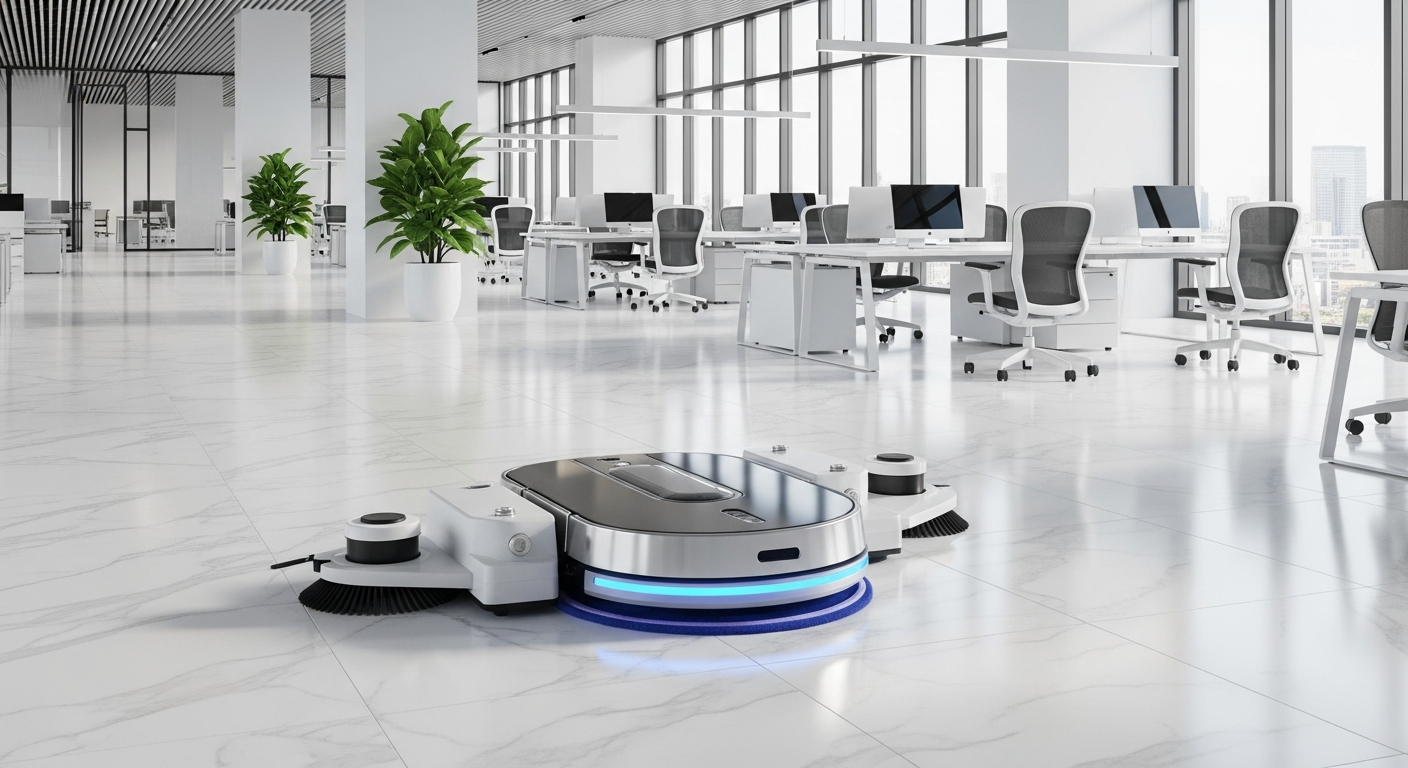
Modern robotic floor cleaning machine in a commercial office space
Technology12 February 2026

How Robotic Cleaning Is Transforming UK Commercial Spaces

Robotic cleaning has surged from a niche curiosity to one of the biggest predicted trends for 2026, with 28% of industry professionals now citing it as the top emerging technology.

5 min readRead full article

The UK commercial cleaning industry is on the cusp of a technological revolution. According to the latest annual survey from Robert Scott, robotic cleaning has surged from being cited by just 2% of professionals as a key trend to an astonishing 28% in a single year — making it the fastest-growing trend in the sector.

From Science Fiction to Scottish Floors

Autonomous cleaning robots are no longer confined to futuristic concepts. They are already at work in hospitals, airports, shopping centres, and large commercial premises across the UK. These machines can navigate complex floor plans, avoid obstacles, and deliver consistent cleaning results around the clock.

The University of Plymouth has been conducting NHS trials with autonomous disinfection robots, demonstrating how the technology can save both time and resources in healthcare settings. In commercial environments, robotic floor cleaners are proving particularly effective in large open spaces such as supermarkets, warehouses, and office atriums.

What This Means for Businesses in the Highlands

For businesses across Inverness, Nairn, Forres, and the wider Highlands, the rise of robotic cleaning does not mean replacing human cleaners — it means augmenting their capabilities. Robots excel at repetitive tasks like floor scrubbing and vacuuming large areas, freeing up skilled cleaning professionals to focus on detailed work that requires a human touch, such as sanitising workstations, cleaning kitchens, and managing specialist areas.

At Kleana Space, we are closely following these developments and evaluating how robotic technology can enhance the service we deliver to our clients. The combination of robotic efficiency for large-area floor care with expert human attention to detail represents the future of commercial cleaning.

AI-Powered Cleaning Management

Beyond physical robots, artificial intelligence is transforming how cleaning operations are managed. Digital tools now allow cleaning companies to:

Monitor building occupancy in real time, adjusting cleaning schedules based on actual usage rather than fixed timetables. This is particularly valuable for hybrid workplaces where daily footfall varies significantly.

Track sustainability metrics across all cleaning operations, helping businesses meet their ESG reporting requirements with accurate data on water usage, chemical consumption, and waste volumes.

Optimise resource allocation by analysing patterns in cleaning needs across multiple sites, ensuring the right level of service is delivered at the right time.

The Human Element Remains Essential

Despite the technological advances, the cleaning industry remains fundamentally a people-centred business. The British Cleaning Council emphasises that technology should support and enhance the work of cleaning professionals, not replace them. The most effective commercial cleaning combines technological efficiency with the expertise, judgement, and care that only human cleaners can provide.

For over 47% of industry professionals, robotics will have some impact over the next five years, whilst 26% expect it to have significant impact. The transition will be gradual, and businesses that embrace it thoughtfully will see the greatest benefits.

Want to learn more about how Kleana Space stays at the forefront of cleaning technology? Contact us today to discuss your commercial cleaning needs across the Scottish Highlands.

Need professional cleaning services?

Kleana Space provides commercial cleaning throughout the Highlands, Moray and Aberdeen.

Request a Quote
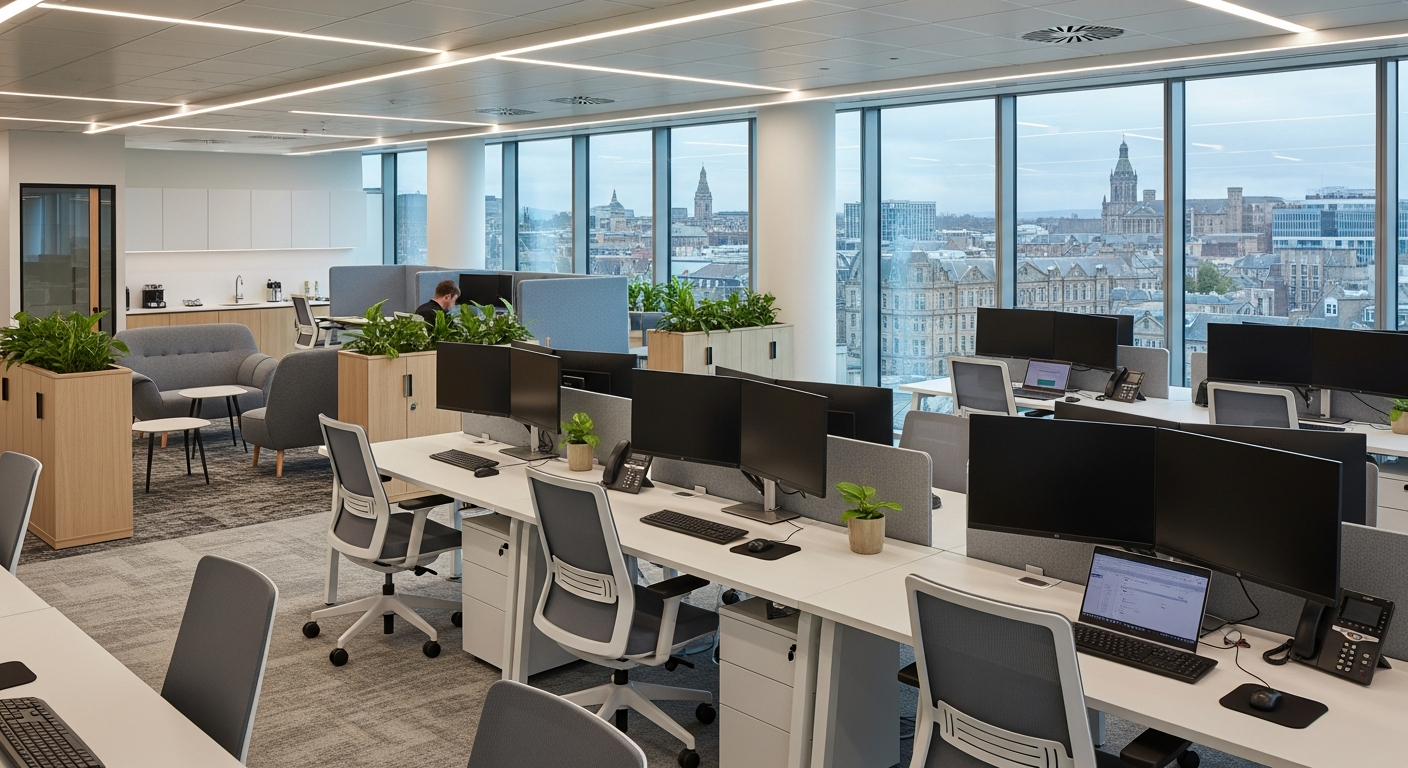
Cluttered office desk with dust and germs highlighting the impact of poor workplace hygiene on staff health and productivity
Workplace14 May 2026

The Hidden Cost of a Dirty Office: What Poor Hygiene Is Doing to Your Team's Health and Output

Sticky keyboards and dusty desks are doing more damage than you think. New 2026 research reveals how poor office hygiene quietly drains productivity, drives up sick days, and chips away at staff morale across UK workplaces.

8 min readRead full article

When most business owners think about the cost of cleaning, they think about the invoice. What rarely gets measured is the cost of not cleaning — and the latest UK workplace research suggests that figure is far higher than most employers realise. Poor office hygiene is quietly draining productivity, increasing absence, and undermining staff wellbeing in workplaces right across the Scottish Highlands.

Recent findings from the Chartered Institute of Personnel and Development (CIPD) Health and Wellbeing at Work survey put the average UK employee absence at 7.8 days per year — the highest figure recorded in over a decade. Whilst not every sick day can be blamed on a dirty workspace, the link between workplace hygiene and employee health is now backed by an overwhelming body of evidence.

The Germs Lurking on the Average Office Desk

Studies consistently show that the average office desk harbours around 400 times more bacteria than a typical toilet seat. Keyboards, mice, telephones, and shared touchpoints such as door handles, kettle handles, and printer buttons are among the most contaminated surfaces in any workplace.

The University of Arizona's landmark workplace hygiene research found that a single contaminated doorknob or photocopier button can spread a virus across 40% to 60% of workers and visitors within just two to four hours. In a hybrid working environment, where staff move between hot desks and shared meeting rooms, the speed at which infections can travel through an office is faster than ever.

Common workplace hotspots include:

Keyboards and computer mice that are rarely wiped down

Shared phones, headsets, and conference room equipment

Kitchen surfaces, microwave handles, and refrigerator doors

Tap handles, soap dispensers, and toilet flush buttons

Lift buttons, stair rails, and entry door handles

Reusable mugs left on desks rather than properly washed

The Real Cost of Sick Days

According to the latest figures from the Office for National Statistics, sickness absence costs UK employers an estimated £30 billion per year, with minor illnesses such as coughs and colds remaining the most common reason for short-term absence. For a small business in Inverness with 20 staff, even a modest reduction in absence — say, one fewer sick day per employee per year — can translate into thousands of pounds in recovered productivity.

It is not just the days off that matter. Presenteeism — when employees come to work feeling unwell and underperform — is now estimated to cost UK businesses more than absenteeism itself. A single unwell employee in a poorly cleaned office can trigger a chain reaction of infections across the team in a matter of days.

How Poor Hygiene Damages Productivity Even When No One Is Ill

The impact of a dirty office goes well beyond the spread of germs. Research from Staples and HLW International found that 94% of workers feel more productive in a clean workspace, and 77% say they produce a higher quality of work when their environment is clean and well organised.

Dust and poor air quality affect cognitive performance. A Harvard T.H. Chan School of Public Health study found that workers in environments with better indoor air quality scored 61% higher on cognitive function tests than those in standard office conditions. Dusty vents, unclean carpets, and neglected soft furnishings all contribute to the airborne particles that slow down thinking and trigger allergies.

Visual clutter and grime raise stress levels. Princeton University researchers found that disorganised, untidy environments increase cortisol production and reduce the brain's ability to focus. A grubby kitchen, a stained carpet, or fingerprint-smeared glass partitions send a subtle but constant signal to the brain that something is not quite right.

Unpleasant smells harm morale. Lingering odours from bins, drains, or kitchen areas are one of the most common complaints in employee workplace surveys. They are also one of the easiest issues to fix with a proper professional cleaning regime.

What This Looks Like in Highland Businesses

We see the consequences of underinvestment in cleaning every day across Inverness, Nairn, Forres, Elgin, and Huntly. Common scenarios include:

Offices where staff bring their own antibacterial wipes because the desks are never properly sanitised

Retail shops where customers comment on dusty shelves or smudged windows

Schools and nurseries struggling with recurring winter bugs sweeping through classrooms

Healthcare practices where infection control standards slip because cleaning is rushed

Hospitality venues where TripAdvisor reviews mention sticky tables or grubby toilets

In each case, the underlying issue is the same: cleaning has been treated as a cost to minimise rather than an investment in the health and performance of the business.

The Business Case for Professional Commercial Cleaning

Investing in a properly resourced, professional cleaning service delivers measurable returns. The benefits include:

Fewer sick days. A consistent, thorough cleaning regime — particularly of high-touch surfaces — has been shown to reduce workplace illness transmission by up to 80%, according to research published by the American Journal of Infection Control.

Higher productivity. Clean, well-maintained environments help staff focus, reduce stress, and improve job satisfaction. Happier employees stay longer and perform better.

Better customer perception. Whether you welcome clients into an office, run a retail shop, or operate a healthcare facility, cleanliness is one of the first signals visitors use to judge professionalism and quality.

Protection of your premises. Regular professional cleaning extends the life of carpets, hard floors, soft furnishings, and equipment, reducing replacement and repair costs over time.

Stronger compliance. For regulated sectors such as healthcare, education, and food service, professional cleaning helps you meet inspection standards and avoid the reputational and financial damage of a poor audit.

What Good Commercial Cleaning Actually Looks Like

A high-quality commercial cleaning service should go well beyond emptying bins and running a hoover over the carpet. At Kleana Space, our standard office cleaning includes:

Disinfection of all high-touch surfaces, including door handles, light switches, and shared equipment

Sanitising of desks, keyboards, mice, and telephones with safe, plant-based products

Thorough cleaning of kitchen areas, including appliances, surfaces, and shared crockery

Detailed washroom cleaning with proper disinfection of all touchpoints

Vacuuming and spot cleaning of carpets to remove dust and allergens

Regular deep cleans of carpets, upholstery, and hard floors to maintain air quality

Clear reporting so you can see exactly what has been done and when

Every product we use is plant-based, biodegradable, and safe for staff, customers, and pets — a particularly important consideration for schools, nurseries, and healthcare settings.

A Small Investment with Outsized Returns

The next time you review your commercial cleaning contract, do not just look at the monthly cost. Look at what poor hygiene is already costing your business in absence, lost productivity, staff turnover, and lost custom. For most Highland businesses, the maths is straightforward: professional cleaning pays for itself many times over.

If you would like a free, no-obligation review of your current cleaning arrangements, get in touch with Kleana Space today. We provide tailored commercial cleaning across Inverness, Nairn, Forres, Elgin, Huntly, and the wider Scottish Highlands. Call us on 01463 212200 or email info@kleanaspace.com to talk through how we can help your team work in a healthier, happier, and more productive environment.

Need professional cleaning services?

Kleana Space provides commercial cleaning throughout the Highlands, Moray and Aberdeen.

Request a Quote
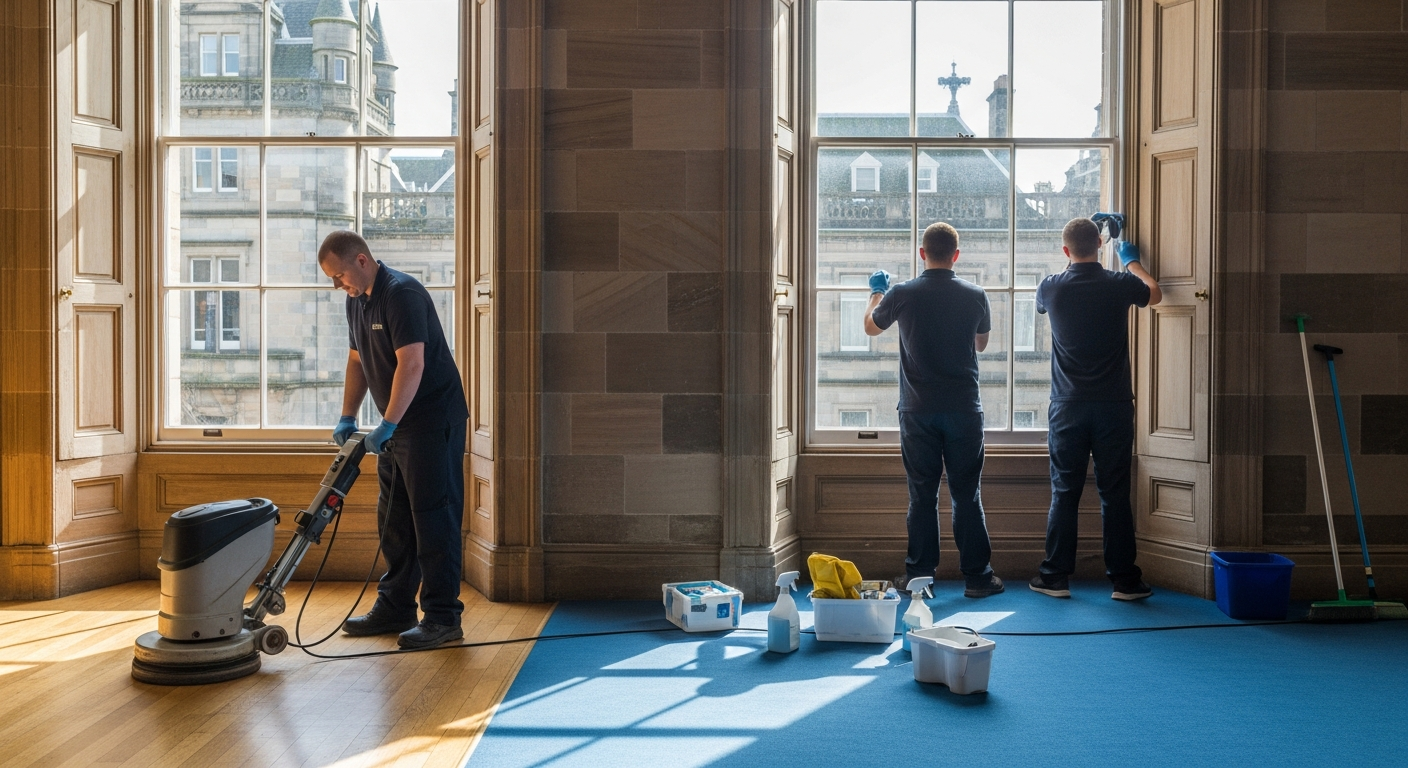
Modern hybrid office workspace with flexible desk arrangements
Workplace18 March 2026

Adapting Your Cleaning Schedule for Hybrid Working in 2026

With hybrid working now firmly established across Scotland, businesses need cleaning schedules that flex with occupancy — not rigid timetables that waste resources on empty offices.

6 min readRead full article

Hybrid working has gone from a pandemic-era experiment to a permanent fixture in Scottish workplaces. Offices in Inverness, Aberdeen, Edinburgh, and Glasgow now regularly see their occupancy fluctuate between 30% and 80% depending on the day of the week. This shift has profound implications for how commercial cleaning should be planned and delivered.

The Problem with Fixed Cleaning Schedules

Traditional commercial cleaning operates on fixed schedules — the same team arrives at the same time and cleans every area to the same standard, regardless of whether the office was bustling or virtually empty that day. This approach wastes resources when the office is quiet and may fall short when it is at full capacity.

In 2026, businesses are rightly demanding cleaning that adapts to how their spaces are actually being used. A meeting room that hosted six back-to-back meetings needs more attention than one that sat empty all day. The staff kitchen on a busy Tuesday requires a different level of service compared to a quiet Friday.

Smart Cleaning for Smart Offices

The most effective approach to hybrid workplace cleaning involves several key strategies:

Usage-based cleaning priorities: Rather than cleaning every zone equally, the focus shifts to high-traffic areas. Reception desks, shared kitchens, meeting rooms, and toilet facilities that saw heavy use receive thorough attention, whilst unused areas receive a lighter touch.

Deep cleans on quiet days: When fewer staff are in the office, cleaning teams can tackle tasks that are difficult to complete during peak hours. This includes deep carpet cleaning, detailed workstation sanitisation, window cleaning, and maintenance of communal areas — all without disrupting employees.

Flexible scheduling: Instead of rigid daily schedules, cleaning services can be adjusted weekly based on expected occupancy. Many businesses now share their booking data or desk reservation numbers with their cleaning provider, enabling a genuinely responsive service.

The Shift to Daytime Cleaning

One of the most notable trends accompanying hybrid working is the move towards daytime cleaning. The British Cleaning Council reports an increased appetite for cleaning that happens during office hours rather than early mornings or late evenings.

There are several reasons for this shift. Employees feel reassured seeing cleaning being carried out — it provides visible evidence that their workspace is being maintained to a high standard. For cleaning professionals, daytime working offers better work-life balance and eliminates the challenges of antisocial hours.

At Kleana Space, we offer flexible daytime cleaning options for businesses across Inverness, Nairn, Forres, Elgin, and Huntly. Our teams work discreetly alongside your staff, maintaining a clean and healthy environment throughout the working day.

Cost Benefits of Adaptive Cleaning

Switching to an adaptive cleaning model does not just improve outcomes — it can also reduce costs. By matching cleaning intensity to actual usage, businesses avoid paying for unnecessary work on quiet days whilst ensuring thorough coverage when it matters most.

With the rising cost of doing business identified as the biggest challenge facing the UK cleaning industry — nearly 90% of professionals cited it as their top concern — demonstrating value for money has never been more important. Adaptive cleaning delivers exactly that.

Ready to review your cleaning schedule for the hybrid era? Contact Kleana Space to discuss a tailored cleaning plan that works around your team's schedule and saves you money.

Need professional cleaning services?

Kleana Space provides commercial cleaning throughout the Highlands, Moray and Aberdeen.

Request a Quote
Professional spring deep cleaning of a commercial building in Scotland
Seasonal Tips7 April 2026

Spring Cleaning Your Commercial Premises: A Highland Guide for 2026

As the days lengthen across the Highlands, spring is the ideal time to give your commercial premises a thorough refresh. Here is our comprehensive guide to getting it right.

5 min readRead full article

Spring has arrived in the Scottish Highlands, and with it comes the perfect opportunity to give your commercial premises a thorough deep clean. After months of darker days, muddy footfall, and heating systems working overtime, buildings across Inverness, Nairn, Forres, Elgin, and Huntly are ready for a fresh start.

Why Spring Cleaning Matters for Your Business

A comprehensive spring clean is about more than appearances — although first impressions certainly matter. It is about resetting your premises for the warmer months ahead, addressing the accumulated wear of winter, and creating a healthier environment for your staff and customers.

Research consistently shows that clean, well-maintained workplaces boost employee productivity and morale. After the long Highland winter, a thorough spring refresh sends a clear message to your team: their wellbeing matters.

Your Commercial Spring Cleaning Checklist

Here is what a professional spring deep clean should cover:

Windows and glass: Winter grime, salt deposits, and condensation residue can leave windows looking dull and reducing natural light. Professional window cleaning — inside and out — transforms the look and feel of any commercial space. With the longer daylight hours, clean windows make a noticeable difference.

Carpets and soft flooring: Highland winters bring mud, grit, and moisture into buildings. Over time, these work their way deep into carpet fibres, causing premature wear and creating a tired appearance. Professional hot water extraction removes embedded dirt and refreshes carpet pile, extending the life of your flooring.

Hard floors: Whether your premises have vinyl, tile, or natural stone flooring, winter takes its toll. A professional strip, clean, and reseal protects your floors and restores their original appearance. This is particularly important in high-traffic areas like reception spaces, corridors, and retail floors.

Heating and ventilation systems: After running throughout winter, heating systems accumulate dust and allergens. Having vents, grilles, and accessible ductwork cleaned improves air quality and helps your HVAC system run more efficiently as you transition to warmer weather.

Kitchen and breakout areas: Staff kitchens and communal areas need particular attention in spring. This includes deep cleaning appliances, descaling kettles and coffee machines, sanitising food preparation surfaces, and cleaning behind and underneath equipment.

External areas: Car parks, pathways, and building entrances accumulate debris over winter. A professional pressure wash removes moss, algae, and ground-in dirt, improving safety and kerb appeal.

Eco-Friendly Spring Cleaning

At Kleana Space, all our spring deep cleaning services use environmentally friendly products and methods. Our plant-based cleaning solutions are just as effective as traditional chemicals but without the harmful environmental impact — an important consideration in the Highlands, where we all share responsibility for protecting our stunning natural environment.

Our microfibre technology reduces water consumption significantly, and we use concentrated refill systems to minimise plastic waste. Every spring clean we carry out is designed to leave your premises spotless and your environmental footprint lighter.

Book Your Spring Deep Clean

Do not wait until the Highland summer is upon us — book your commercial spring deep clean now to secure your preferred dates. Kleana Space provides comprehensive spring cleaning services for offices, retail spaces, schools, healthcare facilities, and all types of commercial premises across Inverness, Nairn, Forres, Elgin, Huntly, and the wider Scottish Highlands.

Call us on 01463 212200 or use our contact form to request a free, no-obligation quote. Let us help you start the season fresh.

Need professional cleaning services?

Kleana Space provides commercial cleaning throughout the Highlands, Moray and Aberdeen.

Request a Quote
Call 01463 212200Send an enquiry